
Autobiography of a Yogi
Paperback
• 512 Pages
• ₹ 279.00
• English
• 9788172345365
No ratings yet
| Publisher | Fingerprint! Publishing |
|---|---|
| ISBN13 | 9788172345365 |
| ASIN/SKU | 8172345364 |
| Book Format | Paperback |
| Language | English |
| Pages | 512 |
| List Price | ₹ 279.00 |
| Publishing Date | 15/09/2024 |
| Dimensions | 12.5 x 3.3 x 19.48 cm |
| Weight | 340 g |
| Book Code | BD00066204 |
Buy this Book
Amazon Stores
Ebook Stores
Other Stores
Discover Autobiography of a Yogi by Paramahansa Yogananda. This book is published by Fingerprint! Publishing in Paperback format, ISBN 9788172345365, ASIN 8172345364, under Biographies and Memoirs, Hinduism, Diaries and Journals.
Book Description
Autobiography of A Yogi by Paramahansa Yogananda is a spiritual classic that offers profound insights and inspiration. Discover the life journey of a yogi, delve into ancient wisdom, and embark on a transformative quest for self-realization.
A Journey Beyond Life, Mind, and Spirit.
Experience the captivating story of a yogi's spiritual awakening.
Gain deep insights into the yogic path and the mysteries of existence.
Explore the teachings of meditation, self-realization, and divine love.
Immerse yourself in this timeless spiritual masterpiece.
This book is a treasure trove of wisdom, guiding readers on a transformative journey of self-discovery and spiritual growth.
A Journey Beyond Life, Mind, and Spirit.
Experience the captivating story of a yogi's spiritual awakening.
Gain deep insights into the yogic path and the mysteries of existence.
Explore the teachings of meditation, self-realization, and divine love.
Immerse yourself in this timeless spiritual masterpiece.
This book is a treasure trove of wisdom, guiding readers on a transformative journey of self-discovery and spiritual growth.
Author Biography
1893 – 1952 Hailed as the “father of Yoga in the West,” Paramahansa Yogananda is regarded as one of the great spiritual figures of our time. Born in northern India, he came to the United States in 1920, where he founded Self-Realization Fellowship, to disseminate his writings and teachings worldwide. Through his best-selling classic, Autobiography of a Yogi, and his numerous other books, he has introduced millions throughout the world to the spiritual principles of yoga meditation and the universal truths underlying all world religions.
Editorial Reviews
Editorial Reviews will be added soon…
Book Summary
In Paramahansa Yogananda’s monumental spiritual classic, Autobiography of a Yogi, readers are invited into a world where the miraculous becomes ordinary and the divine feels deeply accessible. First published in 1946, this remarkable memoir has served as a gateway to Eastern philosophy for millions of Western readers, completely transforming the global understanding of yoga and meditation. Unlike dry, academic texts on theology, Yogananda writes with a warmth, humor, and profound humanity that makes his sweeping spiritual journey feel intimately relatable. The book is not merely a recounting of a life, but an active transmission of wisdom, bridging the gap between ancient Indian mysticism and modern scientific thought.
The narrative begins in late nineteenth-century India, following the early life of Mukunda Lal Ghosh, the boy who would eventually become Paramahansa Yogananda. Raised in a devout Bengali family, Mukunda’s childhood is marked by an intense, almost agonizing yearning for God. This innate spiritual thirst is sharply amplified by the sudden and devastating death of his beloved mother when he is just eleven years old. Her passing propels him onto a desperate search for the Divine Mother, viewing God not as an abstract concept, but as a tangible reality to be experienced directly. His teenage years are characterized by a relentless quest to find a true spiritual master, leading him to run away toward the Himalayas and interact with a fascinating array of wandering sadhus and wonder-working saints.
Through Yogananda’s eyes, the reader is introduced to a deeply enchanting landscape of modern miracles. He recounts meetings with extraordinary figures such as the "Levitating Saint," the "Tiger Swami," and the "Perfume Saint," describing their seemingly impossible feats with a scientific curiosity and a grounded, matter-of-fact tone. However, Mukunda’s true spiritual awakening begins when he finally meets his destined guru, the formidable and deeply enlightened Swami Sri Yukteswar Giri. The dynamic between the eager young disciple and his strict, loving master forms the emotional core of the book. Sri Yukteswar’s ashram becomes a crucible for Mukunda’s ego, where he is subjected to intense discipline, profound philosophical teachings, and deeply transformative spiritual practices.
Under Sri Yukteswar’s watchful eye, Mukunda is initiated into the ancient, esoteric science of Kriya Yoga. Yogananda meticulously explains Kriya Yoga not merely as physical stretching, but as a precise psychophysiological method of accelerating human evolution and decoding the spiritual architecture of the body. One of the most breathtaking chapters of the book details Yogananda’s first experience of "cosmic consciousness," triggered by a gentle tap on his chest from his guru. In a beautifully poetic and expansive passage, he describes the dissolution of his physical ego and the overwhelming realization of his soul expanding into the infinite, luminous ocean of the universe. This pivotal moment solidifies his monastic vows, transforming him into Paramahansa Yogananda and setting the stage for his ultimate life mission.
That mission takes a dramatic turn in 1920 when Yogananda receives a divine mandate to carry the teachings of Kriya Yoga to the West. He embarks on a ship to the United States to speak at a religious congress in Boston, arriving as a virtually unknown monk with little money and only a halting grasp of the English language. Yet, his magnetic presence, profound wisdom, and message of universal, experiential religion quickly draw massive crowds. He spends the next several decades tirelessly crisscrossing America, establishing the Self-Realization Fellowship and teaching that true spirituality transcends dogmatic boundaries. He actively bridges the gap between East and West, frequently drawing brilliant parallels between the teachings of Jesus Christ and the ancient wisdom of the Bhagavad Gita.
A deeply poignant section of the autobiography details Yogananda’s temporary return to India in 1935. During this emotional homecoming, he interacts with several towering figures of the era, including the brilliant physicist C.V. Raman, the deeply revered female saint Ananda Moyi Ma, and Mahatma Gandhi, whom Yogananda personally initiates into the practice of Kriya Yoga. However, this joy is coupled with profound sorrow, as his beloved guru, Sri Yukteswar, passes away during this visit. In a sequence that challenges the boundaries of human belief, Yogananda recounts a miraculous encounter with Sri Yukteswar after his death. The resurrected guru appears to him in a physical form to deliver a fascinating, detailed description of the astral worlds and the nature of life beyond physical death.
Ultimately, Autobiography of a Yogi is a beautifully written, profoundly optimistic testament to the boundless potential of the human spirit. It is a book that encourages readers to look beyond the material surface of reality and recognize the divine spark residing within themselves. Yogananda’s legacy, perfectly encapsulated in these pages, is a timeless reminder that joy is the innate nature of the soul. By weaving together breathtaking miracles, profound philosophical truths, and deeply touching personal anecdotes, he leaves behind a literary masterpiece that continues to inspire seekers of truth to embark on their own journeys of self-realization.
The narrative begins in late nineteenth-century India, following the early life of Mukunda Lal Ghosh, the boy who would eventually become Paramahansa Yogananda. Raised in a devout Bengali family, Mukunda’s childhood is marked by an intense, almost agonizing yearning for God. This innate spiritual thirst is sharply amplified by the sudden and devastating death of his beloved mother when he is just eleven years old. Her passing propels him onto a desperate search for the Divine Mother, viewing God not as an abstract concept, but as a tangible reality to be experienced directly. His teenage years are characterized by a relentless quest to find a true spiritual master, leading him to run away toward the Himalayas and interact with a fascinating array of wandering sadhus and wonder-working saints.
Through Yogananda’s eyes, the reader is introduced to a deeply enchanting landscape of modern miracles. He recounts meetings with extraordinary figures such as the "Levitating Saint," the "Tiger Swami," and the "Perfume Saint," describing their seemingly impossible feats with a scientific curiosity and a grounded, matter-of-fact tone. However, Mukunda’s true spiritual awakening begins when he finally meets his destined guru, the formidable and deeply enlightened Swami Sri Yukteswar Giri. The dynamic between the eager young disciple and his strict, loving master forms the emotional core of the book. Sri Yukteswar’s ashram becomes a crucible for Mukunda’s ego, where he is subjected to intense discipline, profound philosophical teachings, and deeply transformative spiritual practices.
Under Sri Yukteswar’s watchful eye, Mukunda is initiated into the ancient, esoteric science of Kriya Yoga. Yogananda meticulously explains Kriya Yoga not merely as physical stretching, but as a precise psychophysiological method of accelerating human evolution and decoding the spiritual architecture of the body. One of the most breathtaking chapters of the book details Yogananda’s first experience of "cosmic consciousness," triggered by a gentle tap on his chest from his guru. In a beautifully poetic and expansive passage, he describes the dissolution of his physical ego and the overwhelming realization of his soul expanding into the infinite, luminous ocean of the universe. This pivotal moment solidifies his monastic vows, transforming him into Paramahansa Yogananda and setting the stage for his ultimate life mission.
That mission takes a dramatic turn in 1920 when Yogananda receives a divine mandate to carry the teachings of Kriya Yoga to the West. He embarks on a ship to the United States to speak at a religious congress in Boston, arriving as a virtually unknown monk with little money and only a halting grasp of the English language. Yet, his magnetic presence, profound wisdom, and message of universal, experiential religion quickly draw massive crowds. He spends the next several decades tirelessly crisscrossing America, establishing the Self-Realization Fellowship and teaching that true spirituality transcends dogmatic boundaries. He actively bridges the gap between East and West, frequently drawing brilliant parallels between the teachings of Jesus Christ and the ancient wisdom of the Bhagavad Gita.
A deeply poignant section of the autobiography details Yogananda’s temporary return to India in 1935. During this emotional homecoming, he interacts with several towering figures of the era, including the brilliant physicist C.V. Raman, the deeply revered female saint Ananda Moyi Ma, and Mahatma Gandhi, whom Yogananda personally initiates into the practice of Kriya Yoga. However, this joy is coupled with profound sorrow, as his beloved guru, Sri Yukteswar, passes away during this visit. In a sequence that challenges the boundaries of human belief, Yogananda recounts a miraculous encounter with Sri Yukteswar after his death. The resurrected guru appears to him in a physical form to deliver a fascinating, detailed description of the astral worlds and the nature of life beyond physical death.
Ultimately, Autobiography of a Yogi is a beautifully written, profoundly optimistic testament to the boundless potential of the human spirit. It is a book that encourages readers to look beyond the material surface of reality and recognize the divine spark residing within themselves. Yogananda’s legacy, perfectly encapsulated in these pages, is a timeless reminder that joy is the innate nature of the soul. By weaving together breathtaking miracles, profound philosophical truths, and deeply touching personal anecdotes, he leaves behind a literary masterpiece that continues to inspire seekers of truth to embark on their own journeys of self-realization.
Sample Chapters
Sample Chapters will be added soon…
Reader Reviews
No reviews yet.
Autobiography of a Yogi
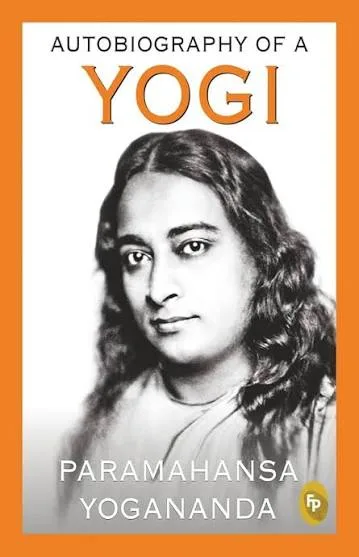
Download Cover Image
Do you want to download the full cover image for Autobiography of a Yogi?