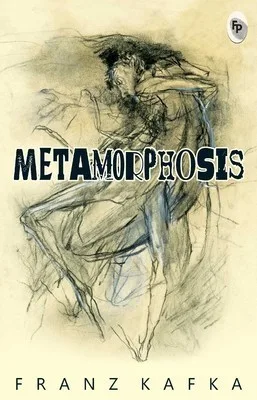
Metamorphosis
Paperback
• 100 Pages
• ₹ 87.00
• English
• 9788172345136
No ratings yet
| Publisher | Fingerprint! Publishing |
|---|---|
| ISBN13 | 9788172345136 |
| ASIN/SKU | 8172345135 |
| Book Format | Paperback |
| Language | English |
| Pages | 100 |
| List Price | ₹ 87.00 |
| Publishing Date | 01/01/2014 |
| Dimensions | 21.5 x 13.5 x 0.5 cm |
| Weight | 60 g |
| Book Code | BD00056055 |
Buy this Book
Amazon Stores
Ebook Stores
Other Stores
Discover Metamorphosis by Franz Kafka. This book is published by Fingerprint! Publishing in Paperback format, ISBN 9788172345136, ASIN 8172345135, under Mystery, Thriller and Suspense, Horror, Readers.
Book Description
'One morning, when Gregor Samsa woke from troubled dreams, he found himself transformed in his bed into a horrible vermin.' Thus begins The Metamorphosis, cited as one of the seminal works of fiction of the twentieth century. A story of Gregor Samsa, a travelling salesman, who wakes up one day to discover that he has metamorphosed into a bug, The Metamorphosis is a book that concerns itself with the themes of alienation, disillusionment and existentialism. As Samsa struggles to reconcile his humanity with his transformation, Kafka, very deftly, weaves his readers into a web that deals with the absurdity of existence, the alienating experience of modern life and the cruelty and incomprehensibility of authoritarian power, leaving them at once stunned and impressed.
Author Biography
An icon of twentieth-century literature, Franz Kafka was born on July 3, 1883, into a middle-class, German family in Prague. Never famous in his own lifetime, most of Kafka's works were published and translated only during the 1920s and 1930s and almost instantly, they became cult texts of modern literature. The Judgment, The Metamorphosis and Amerika were all written in 1912 while The Trial, Kafka's most famous novel, was written in 1914. Kafka died of tuberculosis in 1924.
Editorial Reviews
Editorial Reviews will be added soon…
Book Summary
The Metamorphosis by Franz Kafka is one of the most famous works of modern literature. First published in 1915, the novella tells the disturbing and deeply symbolic story of Gregor Samsa, a young travelling salesman who wakes one morning to discover that he has been transformed into a gigantic insect-like creature. What initially seems like an absurd and frightening event becomes a powerful exploration of loneliness, family relationships, work, responsibility, guilt, identity, and the way society can reject a person who is no longer considered useful. Through Gregor's strange transformation, Kafka creates a story that is both surreal and painfully human.
Gregor Samsa is a hardworking young man who supports his entire family through his job as a travelling salesman. His work is exhausting, unpleasant, and demanding, but he continues doing it because his parents have debts that must be repaid. Gregor also feels responsible for providing a comfortable life for his family. He dreams of eventually leaving his difficult job and helping his younger sister, Grete, pursue her interest in music. Although Gregor is unhappy, he rarely thinks about his own needs. His identity has become closely connected with his role as a worker and provider.
Everything changes one morning when Gregor wakes up and discovers that his body has become something completely unfamiliar. He has a hard shell, numerous legs, and a body that he can no longer control properly. Kafka never gives a precise explanation for the transformation. There is no scientific cause, magical explanation, or clear reason for why it happens. This uncertainty is important because the story is less interested in explaining the transformation than in showing what happens to Gregor and his family afterward.
Even after becoming an insect-like creature, Gregor's first concern is his job. He worries that he will be late for work and that his employer will become angry. His thoughts show how deeply he has been conditioned to place work and responsibility above his own well-being. He does not immediately ask why this terrible thing has happened to him. Instead, he worries about missing the train, losing his job, and failing his family. This makes the transformation especially tragic because Gregor's old human identity is already being reduced to his usefulness as an employee.
Gregor's manager eventually comes to the family's apartment to investigate his absence. Gregor struggles to open his bedroom door because his new body makes ordinary movement difficult. When the door finally opens and the manager sees him, everyone is horrified. The manager immediately retreats, while Gregor's father drives him back into his room. Gregor is now physically separated from the human world.
At first, Grete becomes Gregor's main connection to his family. She is frightened by his appearance but still feels enough affection for him to take care of him. She brings him food and discovers that he no longer enjoys the meals he once liked. She begins experimenting with different foods to find what he can eat. She also cleans his room and tries to understand his new habits. For a while, Grete and Gregor maintain a fragile relationship, even though they can no longer communicate normally.
As time passes, however, the family's attitude toward Gregor changes. Because Gregor can no longer work, the family must find other ways to survive. His father gets a job, his mother begins working, and Grete also finds employment. Their dependence on Gregor disappears, but so does much of their willingness to care for him. The family begins to see him increasingly as a burden.
Gregor's room gradually becomes a place of isolation. His family begins storing unwanted furniture and other objects there, reducing his living space. Grete also becomes less patient with him. The more Gregor is separated from ordinary human life, the more his physical transformation seems to affect his behavior. He begins moving across walls and ceilings and develops a preference for dark, hidden spaces. Yet Kafka continues to show that Gregor retains human emotions. He still cares deeply about his family and understands their conversations, even though they cannot understand him.
One of the most emotional moments occurs when Grete and Gregor's mother decide to remove the furniture from his room. They believe that Gregor will need more space to move around. Gregor, however, becomes distressed because the furniture represents his former human life. Removing it seems to confirm that his family no longer believes he will return to being human. He desperately tries to protect a picture hanging on the wall, showing that he still has memories and emotional attachments.
Gregor's mother sees him and becomes overwhelmed. She faints, and when his father returns, he becomes furious. In one of the story's most painful scenes, Gregor's father throws apples at him. One apple becomes lodged in Gregor's back and seriously injures him. The wound never properly heals and contributes to his gradual decline. The incident symbolizes the growing hostility between Gregor and the family that once depended on him.
Later, the family takes in three lodgers because they need additional income. Gregor is kept hidden from them. One evening, Grete plays her violin for the lodgers, and Gregor is deeply moved by the music. He remembers how much he wanted to help Grete pursue music and begins thinking that he should reveal himself and explain how much he cares about her. He slowly leaves his room to listen more closely.
The lodgers are horrified when they see him and threaten to leave without paying. This becomes the final turning point. Grete tells her parents that they must get rid of Gregor. She no longer sees the creature as her brother. She argues that if it really were Gregor, it would understand that the family cannot continue living this way. Her words destroy Gregor's remaining hope of belonging.
Gregor returns quietly to his room. He thinks about his family and feels that he must disappear for their sake. Despite everything that has happened, his final thoughts are not filled with revenge or anger. Instead, he thinks about his family with affection. During the night, he dies alone.
The next morning, the family discovers Gregor's body. Instead of mourning deeply, they feel relief. They dismiss the lodgers and leave the apartment together. The parents begin thinking about their future and realize that Grete has grown into a healthy young woman who may now be ready for marriage. The story ends with them looking toward a more hopeful future, while Gregor has been completely forgotten.
The ending is deliberately uncomfortable. Gregor sacrificed much of his life for his family, yet once he became unable to work, his value in their eyes gradually disappeared. Kafka therefore raises difficult questions about whether human worth is often measured by usefulness. Gregor was loved partly because he earned money and carried responsibility. When he could no longer perform that role, his family's affection became weaker.
The transformation can also be interpreted in many ways. It may represent alienation, depression, social rejection, or the feeling of becoming useless in a demanding world. Gregor's physical transformation makes visible something that was already present in his life: he was trapped in a dehumanizing job, isolated from genuine relationships, and valued primarily for what he could provide. In this sense, the insect body may symbolize his psychological and social condition rather than simply being a strange fantasy.
Another major theme is communication. Gregor can understand his family, but they cannot understand his speech. As communication disappears, emotional connection disappears as well. The family begins making decisions about him without understanding his feelings. His physical isolation becomes emotional isolation, demonstrating how painful it can be when a person is present but no longer heard.
Overall, The Metamorphosis is a haunting story about what happens when a person loses the identity that society values. Gregor's transformation is bizarre, but his emotions are recognizable: fear, responsibility, loneliness, love, shame, and the desire to be accepted. Kafka combines the absurd with everyday family and economic pressures to create a story that remains relevant across generations.
The lasting power of The Metamorphosis comes from its ability to make readers question what truly makes someone human and worthy of love. Gregor's body changes, but his capacity for affection and sacrifice remains. It is the people around him who gradually stop seeing the human being inside him. The novella ultimately suggests that a society or family that values people only for their usefulness can make them feel like outsiders long before they physically become one.
Gregor Samsa is a hardworking young man who supports his entire family through his job as a travelling salesman. His work is exhausting, unpleasant, and demanding, but he continues doing it because his parents have debts that must be repaid. Gregor also feels responsible for providing a comfortable life for his family. He dreams of eventually leaving his difficult job and helping his younger sister, Grete, pursue her interest in music. Although Gregor is unhappy, he rarely thinks about his own needs. His identity has become closely connected with his role as a worker and provider.
Everything changes one morning when Gregor wakes up and discovers that his body has become something completely unfamiliar. He has a hard shell, numerous legs, and a body that he can no longer control properly. Kafka never gives a precise explanation for the transformation. There is no scientific cause, magical explanation, or clear reason for why it happens. This uncertainty is important because the story is less interested in explaining the transformation than in showing what happens to Gregor and his family afterward.
Even after becoming an insect-like creature, Gregor's first concern is his job. He worries that he will be late for work and that his employer will become angry. His thoughts show how deeply he has been conditioned to place work and responsibility above his own well-being. He does not immediately ask why this terrible thing has happened to him. Instead, he worries about missing the train, losing his job, and failing his family. This makes the transformation especially tragic because Gregor's old human identity is already being reduced to his usefulness as an employee.
Gregor's manager eventually comes to the family's apartment to investigate his absence. Gregor struggles to open his bedroom door because his new body makes ordinary movement difficult. When the door finally opens and the manager sees him, everyone is horrified. The manager immediately retreats, while Gregor's father drives him back into his room. Gregor is now physically separated from the human world.
At first, Grete becomes Gregor's main connection to his family. She is frightened by his appearance but still feels enough affection for him to take care of him. She brings him food and discovers that he no longer enjoys the meals he once liked. She begins experimenting with different foods to find what he can eat. She also cleans his room and tries to understand his new habits. For a while, Grete and Gregor maintain a fragile relationship, even though they can no longer communicate normally.
As time passes, however, the family's attitude toward Gregor changes. Because Gregor can no longer work, the family must find other ways to survive. His father gets a job, his mother begins working, and Grete also finds employment. Their dependence on Gregor disappears, but so does much of their willingness to care for him. The family begins to see him increasingly as a burden.
Gregor's room gradually becomes a place of isolation. His family begins storing unwanted furniture and other objects there, reducing his living space. Grete also becomes less patient with him. The more Gregor is separated from ordinary human life, the more his physical transformation seems to affect his behavior. He begins moving across walls and ceilings and develops a preference for dark, hidden spaces. Yet Kafka continues to show that Gregor retains human emotions. He still cares deeply about his family and understands their conversations, even though they cannot understand him.
One of the most emotional moments occurs when Grete and Gregor's mother decide to remove the furniture from his room. They believe that Gregor will need more space to move around. Gregor, however, becomes distressed because the furniture represents his former human life. Removing it seems to confirm that his family no longer believes he will return to being human. He desperately tries to protect a picture hanging on the wall, showing that he still has memories and emotional attachments.
Gregor's mother sees him and becomes overwhelmed. She faints, and when his father returns, he becomes furious. In one of the story's most painful scenes, Gregor's father throws apples at him. One apple becomes lodged in Gregor's back and seriously injures him. The wound never properly heals and contributes to his gradual decline. The incident symbolizes the growing hostility between Gregor and the family that once depended on him.
Later, the family takes in three lodgers because they need additional income. Gregor is kept hidden from them. One evening, Grete plays her violin for the lodgers, and Gregor is deeply moved by the music. He remembers how much he wanted to help Grete pursue music and begins thinking that he should reveal himself and explain how much he cares about her. He slowly leaves his room to listen more closely.
The lodgers are horrified when they see him and threaten to leave without paying. This becomes the final turning point. Grete tells her parents that they must get rid of Gregor. She no longer sees the creature as her brother. She argues that if it really were Gregor, it would understand that the family cannot continue living this way. Her words destroy Gregor's remaining hope of belonging.
Gregor returns quietly to his room. He thinks about his family and feels that he must disappear for their sake. Despite everything that has happened, his final thoughts are not filled with revenge or anger. Instead, he thinks about his family with affection. During the night, he dies alone.
The next morning, the family discovers Gregor's body. Instead of mourning deeply, they feel relief. They dismiss the lodgers and leave the apartment together. The parents begin thinking about their future and realize that Grete has grown into a healthy young woman who may now be ready for marriage. The story ends with them looking toward a more hopeful future, while Gregor has been completely forgotten.
The ending is deliberately uncomfortable. Gregor sacrificed much of his life for his family, yet once he became unable to work, his value in their eyes gradually disappeared. Kafka therefore raises difficult questions about whether human worth is often measured by usefulness. Gregor was loved partly because he earned money and carried responsibility. When he could no longer perform that role, his family's affection became weaker.
The transformation can also be interpreted in many ways. It may represent alienation, depression, social rejection, or the feeling of becoming useless in a demanding world. Gregor's physical transformation makes visible something that was already present in his life: he was trapped in a dehumanizing job, isolated from genuine relationships, and valued primarily for what he could provide. In this sense, the insect body may symbolize his psychological and social condition rather than simply being a strange fantasy.
Another major theme is communication. Gregor can understand his family, but they cannot understand his speech. As communication disappears, emotional connection disappears as well. The family begins making decisions about him without understanding his feelings. His physical isolation becomes emotional isolation, demonstrating how painful it can be when a person is present but no longer heard.
Overall, The Metamorphosis is a haunting story about what happens when a person loses the identity that society values. Gregor's transformation is bizarre, but his emotions are recognizable: fear, responsibility, loneliness, love, shame, and the desire to be accepted. Kafka combines the absurd with everyday family and economic pressures to create a story that remains relevant across generations.
The lasting power of The Metamorphosis comes from its ability to make readers question what truly makes someone human and worthy of love. Gregor's body changes, but his capacity for affection and sacrifice remains. It is the people around him who gradually stop seeing the human being inside him. The novella ultimately suggests that a society or family that values people only for their usefulness can make them feel like outsiders long before they physically become one.
Sample Chapters
Sample Chapters will be added soon…
Reader Reviews
No reviews yet.
Metamorphosis