
The Power of Your Subconscious Mind: Original Classic Edition | Premium Paperback
Paperback
• 256 Pages
• ₹ 199.00
• English
• 9788172345662
No ratings yet
| Publisher | Fingerprint! Publishing |
|---|---|
| ISBN13 | 9788172345662 |
| ASIN/SKU | 8172345666 |
| Book Format | Paperback |
| Language | English |
| Pages | 256 |
| List Price | ₹ 199.00 |
| Publishing Date | 01/02/2015 |
| Dimensions | 13 x 2.01 x 19.99 cm |
| Weight | 281 g |
| Book Code | BD00056000 |
Buy this Book
Amazon Stores
Ebook Stores
Other Stores
Discover The Power of Your Subconscious Mind: Original Classic Edition | Premium Paperback by Joseph Murphy. This book is published by Fingerprint! Publishing in Paperback format, ISBN 9788172345662, ASIN 8172345666, under Self-Help, Mental and Spiritual Healing, Theory and Philosophy.
Book Description
This remarkable book by Dr. Joseph Murphy, one of the pioneering voices of affirmative thinking, will unlock for you the truly staggering powers of your subconscious mind. Combining time-honored spiritual wisdom with cutting edge scientific research, Dr. Murphy explains how the subconscious mind influences every single thing that you do and how, by understanding it and learning to control its incredible force, you can improve the quality of your daily life.Everything, from the promotion that you wanted and the raise you think you deserve, to overcoming phobias and bad habits and strengthening interpersonal relationships, the Power of Your Subconscious Mind will open a world of happiness, success, prosperity and peace for you. It will change your life and your world by changing your beliefs.
Author Biography
Joseph Murphy was a Divine Science minister and author. Murphy was born in Ireland, the son of a private boy's school headmaster and raised a Roman Catholic. He studied for the priesthood and joined the Jesuits. In his twenties an experience with healing prayer led him to leave the Jesuits and move to the United States. Murphy has given lectures and written books for audiences all over the world. In his lectures he points out how real people can radically improve their lives by applying specific aspects of his concepts.
Editorial Reviews
Editorial Reviews will be added soon…
Book Summary
The Power of Your Subconscious Mind by Joseph Murphy is a classic self-help book about the relationship between conscious thought, subconscious belief, personal behavior, and the way people experience their lives. First published in 1963, the book became widely known for presenting psychological and spiritual ideas in a practical form. Murphy's central argument is that the subconscious mind has enormous influence over a person's habits, emotions, decisions, confidence, relationships, and general outlook. By changing deeply held thoughts and beliefs, he argues, people can begin changing the direction of their lives. The book combines ideas from psychology, spirituality, faith, and positive thinking, offering readers a system for deliberately using the mind in a constructive way.
Murphy begins by distinguishing between the conscious and subconscious aspects of the mind. The conscious mind is associated with reasoning, choice, judgment, and deliberate thought. It decides what we focus on and what we accept as true. The subconscious mind, on the other hand, is presented as the deeper part of the mind that stores patterns, beliefs, memories, and emotional impressions and influences behavior automatically. Murphy suggests that the subconscious does not independently decide whether an idea is beneficial or harmful. Instead, it tends to respond to the thoughts and beliefs repeatedly accepted by the conscious mind.
This idea forms the foundation of the entire book. If a person continually thinks, “I am incapable,” “Nothing ever works for me,” or “I will always fail,” those thoughts can gradually become deeply rooted beliefs. Once they become habitual, they may influence behavior in ways that seem to confirm them. The person may avoid opportunities, hesitate to act, or expect failure. Murphy therefore encourages readers to replace destructive mental patterns with constructive ones. The aim is not simply to repeat positive words mechanically but to develop a genuine expectation of improvement.
One of the book's most important themes is the power of belief. Murphy argues that people often live according to the beliefs they carry beneath the surface of conscious awareness. A person may consciously want success while subconsciously believing that success is impossible or undeserved. Such an internal conflict can make progress difficult. The solution, according to Murphy, is to identify negative assumptions and gradually replace them with beliefs that support confidence, peace, and constructive action.
The book places particular emphasis on the use of repetition. Murphy recommends positive statements, affirmations, visualization, and prayer as ways of influencing the subconscious mind. When a person repeatedly focuses on a desired quality or outcome, the idea can become more familiar and emotionally convincing. For example, someone struggling with self-confidence might regularly repeat a statement expressing confidence and competence. Over time, Murphy believes, such practice can influence the person's attitudes and behavior.
Sleep is also given special importance. Murphy suggests that the period before falling asleep can be particularly useful for influencing the subconscious mind because the conscious mind becomes quieter and less resistant. He recommends using this period to focus calmly on desired thoughts, images, or statements rather than filling the mind with fear and worry. The underlying idea is that whatever occupies the mind repeatedly can become increasingly influential.
Murphy also discusses the destructive effects of fear. Fear can become a powerful mental habit that causes people to imagine negative outcomes before anything has actually happened. A person may fear failure, illness, poverty, rejection, or uncertainty and repeatedly visualize these possibilities. According to Murphy, such thinking can intensify anxiety and affect behavior. He encourages readers to replace fearful mental images with calmer and more constructive thoughts. Rather than constantly imagining what might go wrong, people can deliberately focus on the possibility of positive outcomes and on their ability to respond to difficulties.
Another major subject is health. Murphy argues that the mind and body are closely connected and that emotional states can influence physical well-being. He encourages readers to cultivate peaceful thoughts, confidence, and positive expectations rather than constantly dwelling on illness or fear. His discussion reflects the mind-body beliefs common in popular self-help literature. However, these ideas should be understood as part of Murphy's spiritual and psychological philosophy rather than as a substitute for professional medical care or evidence-based treatment.
The book also applies subconscious-mind principles to prosperity and financial success. Murphy argues that people sometimes develop limiting beliefs about money. They may associate wealth with guilt, believe that financial success is only for other people, or constantly expect scarcity. Such beliefs can influence their decisions and willingness to pursue opportunities. He encourages readers to develop a healthier attitude toward prosperity by believing that abundance is possible and by combining positive thinking with practical effort.
Relationships are another area in which Murphy applies his ideas. He suggests that resentment, jealousy, anger, and negative expectations can damage relationships because they shape the way people interpret and respond to others. Instead of repeatedly imagining conflict, he encourages readers to cultivate goodwill and constructive expectations. The purpose is not to control another person's behavior through thought but to change one's own emotional attitude and responses.
Murphy also discusses the role of forgiveness. Holding onto anger can keep a person mentally attached to an unpleasant experience long after the event has ended. Forgiveness, in his approach, is primarily a way of releasing oneself from resentment. It does not necessarily mean approving of harmful behavior or forgetting what happened. Rather, it means refusing to allow anger to continue controlling one's inner life. By letting go of destructive emotional patterns, a person can create more room for peace and constructive thinking.
Prayer is another central element of the book. Murphy presents prayer in a broad way, connecting it with faith, imagination, expectation, and communication with a higher power. He believes that sincere prayer can influence the subconscious by strengthening confidence and directing attention toward desired outcomes. The book frequently combines spiritual faith with psychological techniques, suggesting that belief and imagination can work together to produce inner transformation.
One of Murphy's recurring messages is that people should not underestimate the importance of their habitual thoughts. A single negative thought may not determine someone's life, but repeated thoughts can become patterns. Those patterns can influence emotions, choices, habits, and expectations. For this reason, the author encourages readers to become more conscious of the mental material they repeatedly accept. The mind, in his view, should be treated like a garden: what is repeatedly planted and cultivated is likely to grow.
The book also emphasizes persistence. Changing deeply established beliefs does not happen instantly. A person may repeat positive statements for a few days and see no immediate difference. Murphy encourages continued practice because he believes that new mental patterns need time to become established. The reader is therefore asked to develop patience and consistency rather than expecting instant transformation.
At the heart of Murphy's philosophy is the idea that the subconscious mind can become an ally rather than an obstacle. Instead of allowing fear, resentment, self-doubt, and negative expectations to dominate, people can deliberately cultivate thoughts of confidence, peace, health, prosperity, love, and purpose. The book encourages readers to take responsibility for their inner world and to recognize that changing one's habitual thinking can be an important first step toward changing one's behavior and life.
Overall, The Power of Your Subconscious Mind is an encouraging and highly accessible introduction to Joseph Murphy's philosophy of mental and spiritual self-development. Through discussions of belief, prayer, visualization, affirmations, fear, health, prosperity, relationships, forgiveness, and success, Murphy repeatedly argues that the thoughts people accept and repeat can have a profound influence on their lives. Some of the book's claims about the subconscious, health, and the ability of thought to produce external outcomes are spiritual or philosophical assertions rather than established scientific facts, so they are best approached thoughtfully rather than literally.
Murphy begins by distinguishing between the conscious and subconscious aspects of the mind. The conscious mind is associated with reasoning, choice, judgment, and deliberate thought. It decides what we focus on and what we accept as true. The subconscious mind, on the other hand, is presented as the deeper part of the mind that stores patterns, beliefs, memories, and emotional impressions and influences behavior automatically. Murphy suggests that the subconscious does not independently decide whether an idea is beneficial or harmful. Instead, it tends to respond to the thoughts and beliefs repeatedly accepted by the conscious mind.
This idea forms the foundation of the entire book. If a person continually thinks, “I am incapable,” “Nothing ever works for me,” or “I will always fail,” those thoughts can gradually become deeply rooted beliefs. Once they become habitual, they may influence behavior in ways that seem to confirm them. The person may avoid opportunities, hesitate to act, or expect failure. Murphy therefore encourages readers to replace destructive mental patterns with constructive ones. The aim is not simply to repeat positive words mechanically but to develop a genuine expectation of improvement.
One of the book's most important themes is the power of belief. Murphy argues that people often live according to the beliefs they carry beneath the surface of conscious awareness. A person may consciously want success while subconsciously believing that success is impossible or undeserved. Such an internal conflict can make progress difficult. The solution, according to Murphy, is to identify negative assumptions and gradually replace them with beliefs that support confidence, peace, and constructive action.
The book places particular emphasis on the use of repetition. Murphy recommends positive statements, affirmations, visualization, and prayer as ways of influencing the subconscious mind. When a person repeatedly focuses on a desired quality or outcome, the idea can become more familiar and emotionally convincing. For example, someone struggling with self-confidence might regularly repeat a statement expressing confidence and competence. Over time, Murphy believes, such practice can influence the person's attitudes and behavior.
Sleep is also given special importance. Murphy suggests that the period before falling asleep can be particularly useful for influencing the subconscious mind because the conscious mind becomes quieter and less resistant. He recommends using this period to focus calmly on desired thoughts, images, or statements rather than filling the mind with fear and worry. The underlying idea is that whatever occupies the mind repeatedly can become increasingly influential.
Murphy also discusses the destructive effects of fear. Fear can become a powerful mental habit that causes people to imagine negative outcomes before anything has actually happened. A person may fear failure, illness, poverty, rejection, or uncertainty and repeatedly visualize these possibilities. According to Murphy, such thinking can intensify anxiety and affect behavior. He encourages readers to replace fearful mental images with calmer and more constructive thoughts. Rather than constantly imagining what might go wrong, people can deliberately focus on the possibility of positive outcomes and on their ability to respond to difficulties.
Another major subject is health. Murphy argues that the mind and body are closely connected and that emotional states can influence physical well-being. He encourages readers to cultivate peaceful thoughts, confidence, and positive expectations rather than constantly dwelling on illness or fear. His discussion reflects the mind-body beliefs common in popular self-help literature. However, these ideas should be understood as part of Murphy's spiritual and psychological philosophy rather than as a substitute for professional medical care or evidence-based treatment.
The book also applies subconscious-mind principles to prosperity and financial success. Murphy argues that people sometimes develop limiting beliefs about money. They may associate wealth with guilt, believe that financial success is only for other people, or constantly expect scarcity. Such beliefs can influence their decisions and willingness to pursue opportunities. He encourages readers to develop a healthier attitude toward prosperity by believing that abundance is possible and by combining positive thinking with practical effort.
Relationships are another area in which Murphy applies his ideas. He suggests that resentment, jealousy, anger, and negative expectations can damage relationships because they shape the way people interpret and respond to others. Instead of repeatedly imagining conflict, he encourages readers to cultivate goodwill and constructive expectations. The purpose is not to control another person's behavior through thought but to change one's own emotional attitude and responses.
Murphy also discusses the role of forgiveness. Holding onto anger can keep a person mentally attached to an unpleasant experience long after the event has ended. Forgiveness, in his approach, is primarily a way of releasing oneself from resentment. It does not necessarily mean approving of harmful behavior or forgetting what happened. Rather, it means refusing to allow anger to continue controlling one's inner life. By letting go of destructive emotional patterns, a person can create more room for peace and constructive thinking.
Prayer is another central element of the book. Murphy presents prayer in a broad way, connecting it with faith, imagination, expectation, and communication with a higher power. He believes that sincere prayer can influence the subconscious by strengthening confidence and directing attention toward desired outcomes. The book frequently combines spiritual faith with psychological techniques, suggesting that belief and imagination can work together to produce inner transformation.
One of Murphy's recurring messages is that people should not underestimate the importance of their habitual thoughts. A single negative thought may not determine someone's life, but repeated thoughts can become patterns. Those patterns can influence emotions, choices, habits, and expectations. For this reason, the author encourages readers to become more conscious of the mental material they repeatedly accept. The mind, in his view, should be treated like a garden: what is repeatedly planted and cultivated is likely to grow.
The book also emphasizes persistence. Changing deeply established beliefs does not happen instantly. A person may repeat positive statements for a few days and see no immediate difference. Murphy encourages continued practice because he believes that new mental patterns need time to become established. The reader is therefore asked to develop patience and consistency rather than expecting instant transformation.
At the heart of Murphy's philosophy is the idea that the subconscious mind can become an ally rather than an obstacle. Instead of allowing fear, resentment, self-doubt, and negative expectations to dominate, people can deliberately cultivate thoughts of confidence, peace, health, prosperity, love, and purpose. The book encourages readers to take responsibility for their inner world and to recognize that changing one's habitual thinking can be an important first step toward changing one's behavior and life.
Overall, The Power of Your Subconscious Mind is an encouraging and highly accessible introduction to Joseph Murphy's philosophy of mental and spiritual self-development. Through discussions of belief, prayer, visualization, affirmations, fear, health, prosperity, relationships, forgiveness, and success, Murphy repeatedly argues that the thoughts people accept and repeat can have a profound influence on their lives. Some of the book's claims about the subconscious, health, and the ability of thought to produce external outcomes are spiritual or philosophical assertions rather than established scientific facts, so they are best approached thoughtfully rather than literally.
Sample Chapters
Sample Chapters will be added soon…
Reader Reviews
No reviews yet.
The Power of Your Subconscious Mind: Original Classic Edition | Premium Paperback
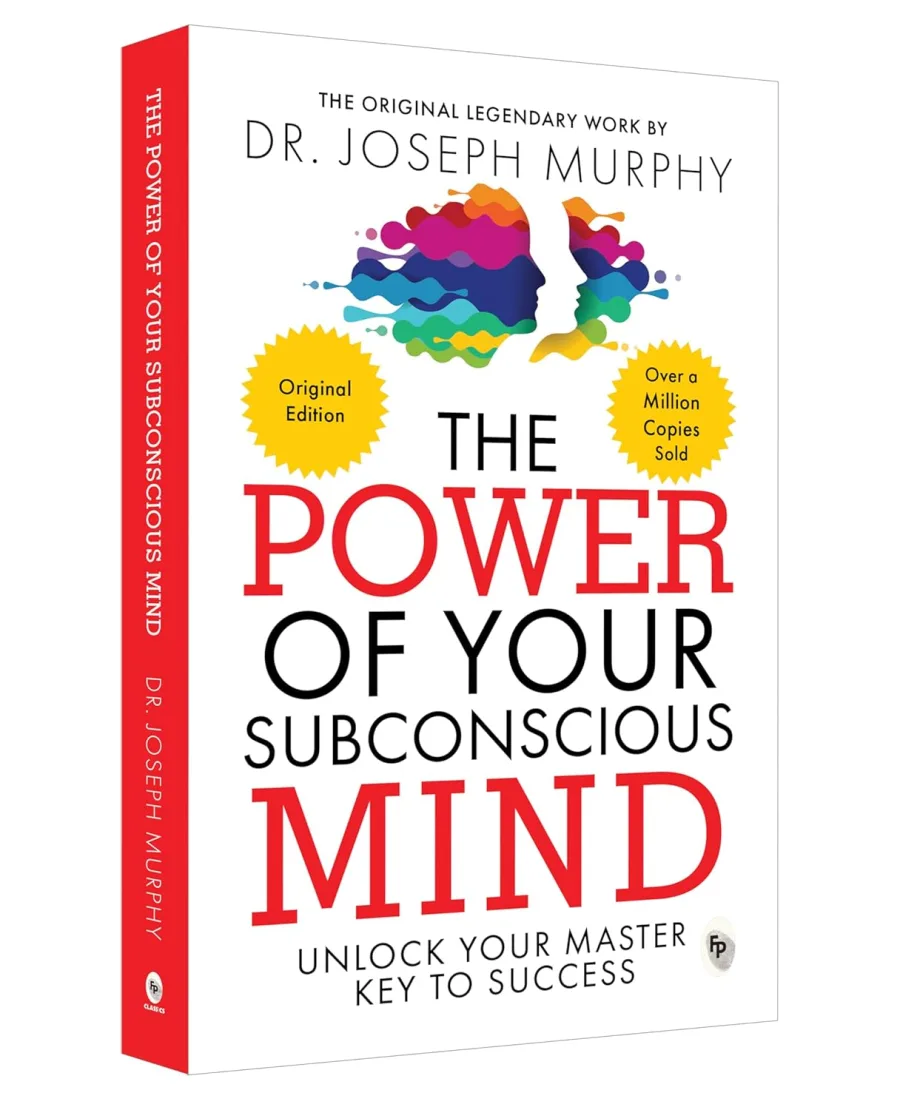
Download Cover Image
Do you want to download the full cover image for The Power of Your Subconscious Mind: Original Classic Edition | Premium Paperback?