
Harper Collins India Light on Yoga: The Classic Guide to Yoga by the World's Foremost Authority
Paperback
• 544 Pages
• ₹ 599.00
• English
• 9788172235017
No ratings yet
| Publisher | Thorsons |
|---|---|
| ISBN13 | 9788172235017 |
| ASIN/SKU | 8172235011 |
| Book Format | Paperback |
| Language | English |
| Pages | 544 |
| List Price | ₹ 599.00 |
| Publishing Date | 20/03/2006 |
| Dimensions | 12.9 x 1.5 x 19.8 cm |
| Weight | 294 g |
| Book Code | BD00055101 |
Buy this Book
Amazon Stores
Ebook Stores
Other Stores
Discover Harper Collins India Light on Yoga: The Classic Guide to Yoga by the World's Foremost Authority by B.K.S. Iyengar. This book is published by Thorsons in Paperback format, ISBN 9788172235017, ASIN 8172235011, under Health, Fitness and Dieting, Fitness Training, Philosophy.
Book Description
The book, ?Light on Yoga: The Classic Guide to Yoga by the World's Foremost Authority? provides reliable and accurate information on the subject of Yoga and tells the readers about the correct techniques of practicing Yoga. This book is written in such a manner that makes it easy for readers to understand the steps without any trouble. The descriptions of Yoga forms given in the book make it easier for readers to practice it by themselves. This book serves as an introduction for beginners who are looking to learn the unique practice of Yoga. It has been authored by the famous B.K.S. Iyengar, who is known for his mastery over the topic of Yoga. It was published by Thorsons publications in the year 2015.
Yoga is not just a physical exercise but is also a way of keeping the mental state intact. Yoga helps in keeping the body fit and fresh and also clears the mind from any stress which indirectly proves to be detrimental when it comes to staying healthy. The benefits of Yoga are immense and hence Yoga is becoming popular across the globe. However, the benefits of Yoga can be achieved only if it is practiced with proper discipline and order. Hence, this book has been prepared so that readers can reap all the benefits of practicing Yoga in the correct manner. To give a structured knowledge pattern about Yoga, this book has been divided in three segments. The first segment deals with the understanding of Yoga. In the first section, the author tells what exactly Yoga is and discusses its nature and essential components. In the second part, various Yoga asanas and kriyas are explained. The third part deals with Pranayama; and it covers topics like the techniques of Pranayam and its effects.
Yoga is not just a physical exercise but is also a way of keeping the mental state intact. Yoga helps in keeping the body fit and fresh and also clears the mind from any stress which indirectly proves to be detrimental when it comes to staying healthy. The benefits of Yoga are immense and hence Yoga is becoming popular across the globe. However, the benefits of Yoga can be achieved only if it is practiced with proper discipline and order. Hence, this book has been prepared so that readers can reap all the benefits of practicing Yoga in the correct manner. To give a structured knowledge pattern about Yoga, this book has been divided in three segments. The first segment deals with the understanding of Yoga. In the first section, the author tells what exactly Yoga is and discusses its nature and essential components. In the second part, various Yoga asanas and kriyas are explained. The third part deals with Pranayama; and it covers topics like the techniques of Pranayam and its effects.
Author Biography
B. K. S. Iyengar is a famous Yoga teacher and has been recognized as the founder of "Iyengar Yoga". He has worked towards spreading Yoga and was successful in making it popular all throughout India as well as around the world. According to Time magazine, he was one of the 100 most influential people in the world and Indian government honoured him with the Padma Shri, Padma Bhushan and the Padma Vibhushan award. Some of his other books are 'BKS Iyengar Yoga: The Path to Holistic Health' and 'Yoga For Sports: A Journey Towards Health And Healing'.
The book, ?Light on Yoga: The Classic Guide to Yoga by the World's Foremost Authority? will tell you all that you need to know right from the horse's mouth, B. K. S. Iyengar. This book is easily available online for convenient shopping.
Get this book from Amazon.in today with the simple click of a button.
The book, ?Light on Yoga: The Classic Guide to Yoga by the World's Foremost Authority? will tell you all that you need to know right from the horse's mouth, B. K. S. Iyengar. This book is easily available online for convenient shopping.
Get this book from Amazon.in today with the simple click of a button.
Editorial Reviews
Editorial Reviews will be added soon…
Book Summary
Light on Yoga by B.K.S. Iyengar is one of the most influential and respected books ever written on the practice of yoga. First published in 1966, it has become a timeless classic and is often regarded as the definitive guide to Hatha Yoga. Written by one of the world's most celebrated yoga masters, the book combines ancient yogic wisdom with detailed practical instruction, making it valuable for both beginners and experienced practitioners. More than just a manual of physical postures, Light on Yoga presents yoga as a complete way of life that nurtures the body, calms the mind, strengthens character, and leads to inner peace and self-realization. It reflects Iyengar's belief that yoga is a lifelong journey of discipline, awareness, and continuous growth.
The book begins by introducing the history and philosophy of yoga. Iyengar explains that yoga is an ancient science developed in India thousands of years ago to help human beings achieve harmony between the body, mind, and spirit. He emphasizes that the ultimate purpose of yoga is not merely physical fitness but the realization of one's true nature. According to the author, modern life often creates stress, anxiety, unhealthy habits, and emotional imbalance. Yoga provides a practical path to restore balance by cultivating self-awareness, discipline, and inner stability.
A central concept explained in the book is the Eight Limbs of Yoga, originally described by the sage Patanjali in the Yoga Sutras. Iyengar presents these eight stages as a gradual path toward complete well-being. The first two limbs, Yama (ethical principles) and Niyama (personal discipline), teach honesty, non-violence, contentment, cleanliness, self-control, and devotion. These moral values create the foundation for a meaningful and balanced life.
The third limb, Asana, refers to physical postures. Iyengar explains that asanas are not simply exercises designed to improve flexibility or strength. Each posture develops balance, concentration, endurance, and awareness while preparing the body for higher stages of spiritual practice. Through regular practice, the body becomes healthier, the nervous system steadier, and the mind calmer. The author repeatedly emphasizes that every posture should be performed with precision, patience, and complete attention rather than speed or force.
The fourth limb, Pranayama, focuses on the regulation of breath. Iyengar describes breathing as the bridge between the body and the mind. By learning to control the breath, practitioners can improve lung capacity, increase energy, reduce stress, and cultivate mental clarity. The book explains that conscious breathing influences emotional well-being and prepares the practitioner for meditation. Breath is presented not merely as a biological process but as the carrier of prana, the vital life force that sustains all living beings.
The remaining limbs—Pratyahara (withdrawal of the senses), Dharana (concentration), Dhyana (meditation), and Samadhi (complete absorption or enlightenment)—represent progressively deeper stages of mental and spiritual development. Iyengar explains that while physical postures strengthen the body, the higher limbs train the mind to become peaceful, focused, and free from distraction. Ultimately, yoga aims to unite the individual self with universal consciousness, leading to profound inner freedom.
One of the book's greatest strengths is its detailed presentation of more than 200 yoga postures (asanas) and several breathing techniques. Each posture is accompanied by clear step-by-step instructions, illustrations, benefits, precautions, and guidance on proper alignment. Iyengar's teaching style emphasizes accuracy in every movement. He explains that even small adjustments in posture can significantly improve balance, flexibility, circulation, and muscular strength while reducing the risk of injury. Rather than encouraging competition or perfection, he advises practitioners to progress gradually according to their own abilities.
The book also explains the therapeutic value of yoga. Iyengar discusses how regular practice may help improve posture, digestion, circulation, respiration, joint mobility, and overall physical vitality. He describes yoga as a preventive system that strengthens the body's natural ability to maintain health. At the same time, he cautions readers to practice patiently and with proper guidance, especially when dealing with medical conditions. The emphasis remains on steady, mindful practice rather than quick results.
Another important theme throughout the book is the connection between the body and the mind. Iyengar argues that physical health alone cannot bring lasting happiness if the mind remains restless or disturbed. Every yoga posture becomes an opportunity to cultivate patience, discipline, concentration, and self-awareness. As practitioners learn to observe their breath and movements carefully, they also become more aware of their thoughts, emotions, and habits. In this way, yoga transforms from a physical exercise into a process of personal growth.
Discipline and consistency are repeatedly highlighted as essential qualities for success. Iyengar reminds readers that meaningful progress does not come from occasional intense effort but from regular daily practice. Even a short period of sincere practice performed consistently can produce lasting improvements in physical health and mental peace. The author encourages readers to approach yoga with humility, curiosity, and perseverance rather than seeking immediate perfection.
The book also reflects Iyengar's deep respect for the traditional spiritual foundations of yoga. Although it contains extensive practical instruction, it continually reminds readers that yoga is not limited to flexibility or athletic achievement. True yoga involves living with compassion, honesty, self-control, gratitude, and mindfulness in everyday life. The lessons learned on the yoga mat should naturally extend into one's relationships, work, and interactions with the world.
One of the reasons Light on Yoga has remained relevant for decades is its accessibility. While rooted in ancient Indian philosophy, the language is clear, systematic, and practical. Beginners can use it to establish a strong foundation, while experienced practitioners can continue to refine their understanding for years. The book serves equally as a philosophical guide, a technical manual, and a source of lifelong inspiration.
In conclusion, Light on Yoga is much more than an instructional handbook for yoga postures. It is a comprehensive guide to living a healthier, calmer, and more meaningful life. Through its detailed explanations of philosophy, ethics, breathing, meditation, and physical practice, B.K.S. Iyengar demonstrates that yoga is a path toward harmony of body, mind, and spirit. The book teaches that true strength comes not only from physical fitness but also from patience, discipline, self-awareness, and compassion. Its timeless wisdom continues to inspire millions of readers around the world, making it one of the most important and enduring works on yoga ever published.
The book begins by introducing the history and philosophy of yoga. Iyengar explains that yoga is an ancient science developed in India thousands of years ago to help human beings achieve harmony between the body, mind, and spirit. He emphasizes that the ultimate purpose of yoga is not merely physical fitness but the realization of one's true nature. According to the author, modern life often creates stress, anxiety, unhealthy habits, and emotional imbalance. Yoga provides a practical path to restore balance by cultivating self-awareness, discipline, and inner stability.
A central concept explained in the book is the Eight Limbs of Yoga, originally described by the sage Patanjali in the Yoga Sutras. Iyengar presents these eight stages as a gradual path toward complete well-being. The first two limbs, Yama (ethical principles) and Niyama (personal discipline), teach honesty, non-violence, contentment, cleanliness, self-control, and devotion. These moral values create the foundation for a meaningful and balanced life.
The third limb, Asana, refers to physical postures. Iyengar explains that asanas are not simply exercises designed to improve flexibility or strength. Each posture develops balance, concentration, endurance, and awareness while preparing the body for higher stages of spiritual practice. Through regular practice, the body becomes healthier, the nervous system steadier, and the mind calmer. The author repeatedly emphasizes that every posture should be performed with precision, patience, and complete attention rather than speed or force.
The fourth limb, Pranayama, focuses on the regulation of breath. Iyengar describes breathing as the bridge between the body and the mind. By learning to control the breath, practitioners can improve lung capacity, increase energy, reduce stress, and cultivate mental clarity. The book explains that conscious breathing influences emotional well-being and prepares the practitioner for meditation. Breath is presented not merely as a biological process but as the carrier of prana, the vital life force that sustains all living beings.
The remaining limbs—Pratyahara (withdrawal of the senses), Dharana (concentration), Dhyana (meditation), and Samadhi (complete absorption or enlightenment)—represent progressively deeper stages of mental and spiritual development. Iyengar explains that while physical postures strengthen the body, the higher limbs train the mind to become peaceful, focused, and free from distraction. Ultimately, yoga aims to unite the individual self with universal consciousness, leading to profound inner freedom.
One of the book's greatest strengths is its detailed presentation of more than 200 yoga postures (asanas) and several breathing techniques. Each posture is accompanied by clear step-by-step instructions, illustrations, benefits, precautions, and guidance on proper alignment. Iyengar's teaching style emphasizes accuracy in every movement. He explains that even small adjustments in posture can significantly improve balance, flexibility, circulation, and muscular strength while reducing the risk of injury. Rather than encouraging competition or perfection, he advises practitioners to progress gradually according to their own abilities.
The book also explains the therapeutic value of yoga. Iyengar discusses how regular practice may help improve posture, digestion, circulation, respiration, joint mobility, and overall physical vitality. He describes yoga as a preventive system that strengthens the body's natural ability to maintain health. At the same time, he cautions readers to practice patiently and with proper guidance, especially when dealing with medical conditions. The emphasis remains on steady, mindful practice rather than quick results.
Another important theme throughout the book is the connection between the body and the mind. Iyengar argues that physical health alone cannot bring lasting happiness if the mind remains restless or disturbed. Every yoga posture becomes an opportunity to cultivate patience, discipline, concentration, and self-awareness. As practitioners learn to observe their breath and movements carefully, they also become more aware of their thoughts, emotions, and habits. In this way, yoga transforms from a physical exercise into a process of personal growth.
Discipline and consistency are repeatedly highlighted as essential qualities for success. Iyengar reminds readers that meaningful progress does not come from occasional intense effort but from regular daily practice. Even a short period of sincere practice performed consistently can produce lasting improvements in physical health and mental peace. The author encourages readers to approach yoga with humility, curiosity, and perseverance rather than seeking immediate perfection.
The book also reflects Iyengar's deep respect for the traditional spiritual foundations of yoga. Although it contains extensive practical instruction, it continually reminds readers that yoga is not limited to flexibility or athletic achievement. True yoga involves living with compassion, honesty, self-control, gratitude, and mindfulness in everyday life. The lessons learned on the yoga mat should naturally extend into one's relationships, work, and interactions with the world.
One of the reasons Light on Yoga has remained relevant for decades is its accessibility. While rooted in ancient Indian philosophy, the language is clear, systematic, and practical. Beginners can use it to establish a strong foundation, while experienced practitioners can continue to refine their understanding for years. The book serves equally as a philosophical guide, a technical manual, and a source of lifelong inspiration.
In conclusion, Light on Yoga is much more than an instructional handbook for yoga postures. It is a comprehensive guide to living a healthier, calmer, and more meaningful life. Through its detailed explanations of philosophy, ethics, breathing, meditation, and physical practice, B.K.S. Iyengar demonstrates that yoga is a path toward harmony of body, mind, and spirit. The book teaches that true strength comes not only from physical fitness but also from patience, discipline, self-awareness, and compassion. Its timeless wisdom continues to inspire millions of readers around the world, making it one of the most important and enduring works on yoga ever published.
Sample Chapters
Sample Chapters will be added soon…
Reader Reviews
No reviews yet.
Harper Collins India Light on Yoga: The Classic Guide to Yoga by the World's Foremost Authority
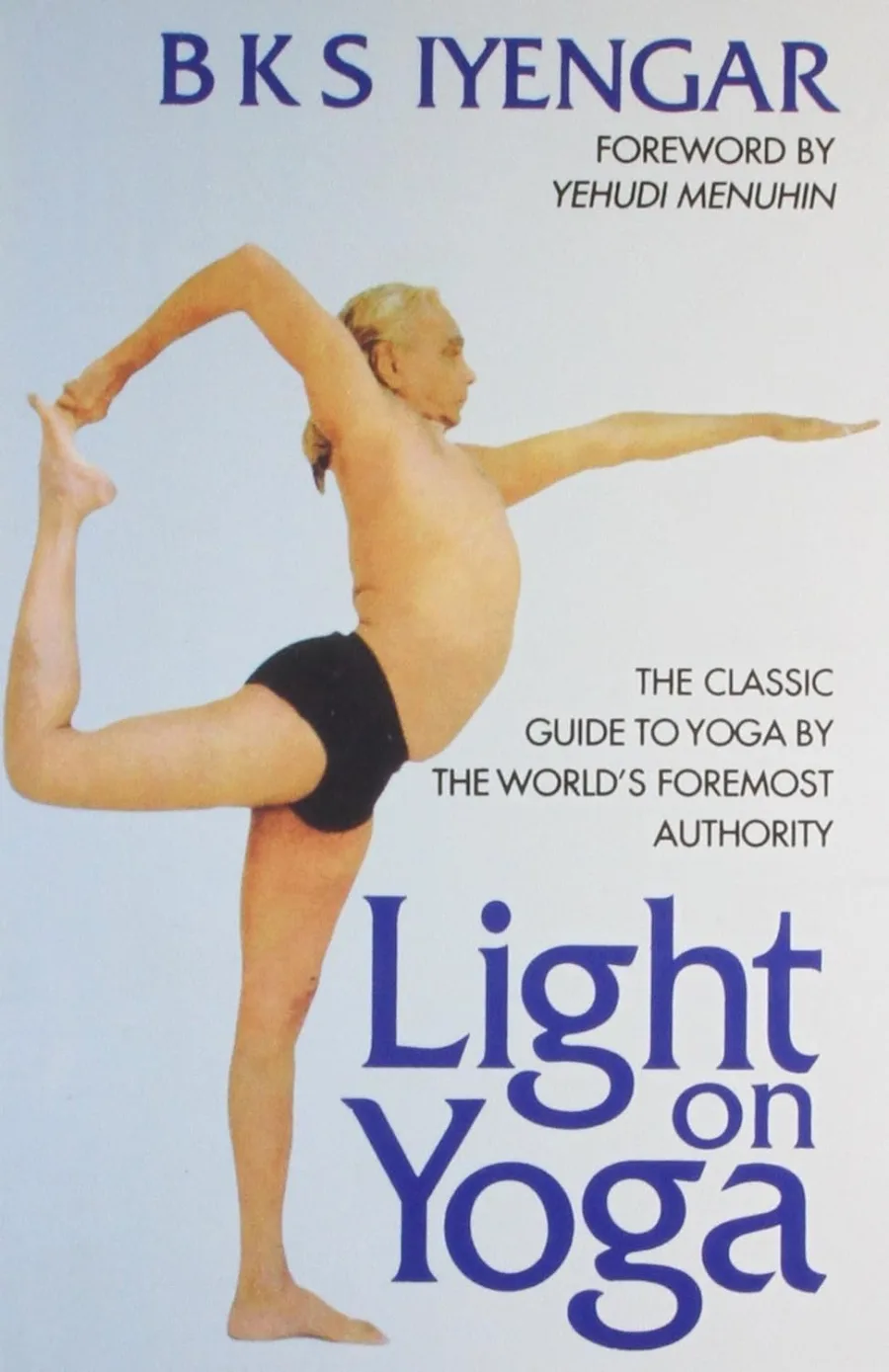
Download Cover Image
Do you want to download the full cover image for Harper Collins India Light on Yoga: The Classic Guide to Yoga by the World's Foremost Authority?