
Crime & Punishment
Paperback
• 720 Pages
• ₹ 399.00
• English
• 9780140449136
No ratings yet
| Publisher | Penguin Classics |
|---|---|
| ISBN13 | 9780140449136 |
| ASIN/SKU | 0140449132 |
| Book Format | Paperback |
| Language | English |
| Pages | 720 |
| List Price | ₹ 399.00 |
| Publishing Date | 30/01/2003 |
| Dimensions | 12.9 x 3.1 x 19.7 cm |
| Weight | 494 g |
| Book Code | BD00055071 |
Buy this Book
Amazon Stores
Ebook Stores
Other Stores
Discover Crime and Punishment by Fyodor Dostoyevsky. This book is published by Penguin Classics in Paperback format, ISBN 9780140449136, ASIN 0140449132, under Literature and Fiction, Science Fiction Crime and Mystery, Mysteries.
Book Description
'Dostoyevsky's finest masterpiece' John Bayley
Dostoyevsky's great novel of damnation and redemption evokes a world where the lines between innocence and corruption, good and evil, blur. It tells the story of Raskolnikov, a destitute and desperate former student, who wanders through the slums of St Petersburg and commits a random murder without remorse or regret. He imagines himself to be beyond conventional moral laws. But as he embarks on a dangerous game of cat and mouse with a police investigator, Raskolnikov is pursued by the growing voice of his conscience and finds the noose of his own guilt tightening around his neck.
Translated with an Introduction and notes by DAVID McDUFF
Dostoyevsky's great novel of damnation and redemption evokes a world where the lines between innocence and corruption, good and evil, blur. It tells the story of Raskolnikov, a destitute and desperate former student, who wanders through the slums of St Petersburg and commits a random murder without remorse or regret. He imagines himself to be beyond conventional moral laws. But as he embarks on a dangerous game of cat and mouse with a police investigator, Raskolnikov is pursued by the growing voice of his conscience and finds the noose of his own guilt tightening around his neck.
Translated with an Introduction and notes by DAVID McDUFF
Author Biography
Fyodor Mikhailovich Dostoyevsky (/ˌdɒstəˈjɛfski, ˌdʌs-/; Russian: Фёдор Миха́йлович Достое́вский; IPA: [ˈfʲɵdər mʲɪˈxajləvʲɪtɕ dəstɐˈjɛfskʲɪj]; 11 November 1821 – 9 February 1881), sometimes transliterated Dostoevsky, was a Russian novelist, short story writer, essayist, journalist and philosopher. Dostoyevsky's literary works explore human psychology in the troubled political, social, and spiritual atmosphere of 19th-century Russia. Many of his works are marked by a preoccupation with Christianity, explored through the prism of the individual confronted with life's hardships and beauty.
He began writing in his 20s, and his first novel, Poor Folk, was published in 1846 when he was 25. His major works include Crime and Punishment (1866), The Idiot (1869), Demons (1872) and The Brothers Karamazov (1880). His output consists of 11 novels, three novellas, 17 short novels and numerous other works. Many literary critics rate him as one of the greatest psychologists in world literature. His 1864 novella Notes from Underground is considered to be one of the first works of existentialist literature.
Born in Moscow in 1821, Dostoyevsky was introduced to literature at an early age through fairy tales and legends, and through books by Russian and foreign authors. His mother died in 1837, when he was 15, and around the same time he left school to enter the Nikolayev Military Engineering Institute. After graduating, he worked as an engineer and briefly enjoyed a lavish lifestyle, translating books to earn extra money. In the mid-1840s he wrote his first novel, Poor Folk, which gained him entry into St. Petersburg's literary circles.
He began writing in his 20s, and his first novel, Poor Folk, was published in 1846 when he was 25. His major works include Crime and Punishment (1866), The Idiot (1869), Demons (1872) and The Brothers Karamazov (1880). His output consists of 11 novels, three novellas, 17 short novels and numerous other works. Many literary critics rate him as one of the greatest psychologists in world literature. His 1864 novella Notes from Underground is considered to be one of the first works of existentialist literature.
Born in Moscow in 1821, Dostoyevsky was introduced to literature at an early age through fairy tales and legends, and through books by Russian and foreign authors. His mother died in 1837, when he was 15, and around the same time he left school to enter the Nikolayev Military Engineering Institute. After graduating, he worked as an engineer and briefly enjoyed a lavish lifestyle, translating books to earn extra money. In the mid-1840s he wrote his first novel, Poor Folk, which gained him entry into St. Petersburg's literary circles.
Editorial Reviews
Editorial Reviews will be added soon…
Book Summary
Crime and Punishment is one of the greatest psychological novels ever written. Published in 1866, Fyodor Dostoevsky's masterpiece explores the human mind, morality, guilt, justice, redemption, and the struggle between reason and conscience. Set in the crowded and poverty-stricken streets of St. Petersburg, Russia, the novel follows the life of Rodion Romanovich Raskolnikov, a brilliant but impoverished former law student whose desperate circumstances and dangerous ideas lead him to commit a terrible crime. More than a crime story, the novel is an intense exploration of the human soul and the consequences of believing oneself to be above moral law.
The story begins with Raskolnikov living in extreme poverty. He has abandoned his studies because he cannot afford tuition and survives in a tiny rented room. Intelligent but isolated, he spends much of his time thinking about society, justice, and the nature of extraordinary individuals. He develops a theory that certain exceptional people—such as Napoleon—have the right to break ordinary moral laws if doing so benefits humanity. According to him, great individuals should not be judged by the same standards as everyone else because their actions can bring about greater progress.
Driven by this philosophy and his own financial desperation, Raskolnikov convinces himself that murdering Alyona Ivanovna, an old pawnbroker whom he considers cruel and selfish, would be justified. He believes that by taking her money he could improve his own life and eventually perform many good deeds for society. However, when he carries out the murder, events do not unfold as planned. Alyona's innocent half-sister, Lizaveta, unexpectedly arrives, and Raskolnikov kills her as well to avoid being discovered. This second, unintended murder destroys any illusion that his act was logical or heroic and marks the beginning of his psychological collapse.
Although Raskolnikov escapes immediate arrest, he soon finds himself imprisoned by his own conscience. He experiences constant fear, anxiety, hallucinations, and emotional instability. Instead of enjoying the stolen money, he hides it and becomes increasingly isolated from those who care about him. His brilliant intellect cannot silence the guilt that consumes him. Dostoevsky demonstrates that true punishment begins long before any legal sentence is imposed. The human conscience becomes a far harsher judge than any court.
The novel introduces several important characters who shape Raskolnikov's emotional and moral journey. His devoted mother, Pulcheria Alexandrovna, and his loving sister, Dunya, sacrifice greatly for his future. Dunya is prepared to marry the wealthy but unpleasant lawyer Pyotr Luzhin in the hope of supporting her brother financially. Raskolnikov strongly opposes this marriage, recognizing that it is based on sacrifice rather than love. Through his family, the novel highlights themes of unconditional love, responsibility, and selflessness.
Another central character is Sofya Semyonovna Marmeladova, commonly known as Sonia. Forced into prostitution to support her impoverished family, Sonia remains deeply compassionate, humble, and faithful despite her suffering. She represents moral purity and spiritual strength in a world filled with hardship. Unlike Raskolnikov, who relies on intellectual theories, Sonia believes in forgiveness, love, and the healing power of faith. As their friendship grows, she becomes the only person to whom Raskolnikov eventually confesses his crime. Sonia's unwavering compassion encourages him to face the truth instead of continuing to hide behind pride and rationalization.
One of the most fascinating figures in the novel is Porfiry Petrovich, the investigating magistrate assigned to the murder case. Rather than relying solely on evidence, Porfiry uses psychological insight to understand suspects. He gradually realizes that Raskolnikov is the murderer but avoids immediate arrest, believing that guilt itself will eventually force him to confess. Their conversations become intellectual battles in which Porfiry patiently dismantles Raskolnikov's theories about extraordinary individuals and moral superiority. These exchanges form some of the novel's most powerful philosophical moments.
The novel also explores the lives of other memorable characters, including Marmeladov, Sonia's alcoholic father, whose tragic downfall illustrates the destructive effects of poverty and addiction. Arkady Svidrigailov, a wealthy and morally corrupt man obsessed with Dunya, serves as a dark reflection of what Raskolnikov might become if he completely rejects conscience and compassion. Luzhin, selfish and manipulative, represents greed and social hypocrisy. Each character contributes to the novel's broader examination of human nature and moral choice.
As the story progresses, Raskolnikov's emotional suffering becomes unbearable. His theories about extraordinary individuals begin to collapse under the weight of his own guilt. He realizes that intellectual arguments cannot erase the reality of human suffering or justify murder. Eventually, encouraged by Sonia's love and spiritual guidance, he confesses his crime to the authorities. He is sentenced to several years of penal servitude in Siberia.
The final section of the novel focuses not on legal punishment but on spiritual transformation. At first, Raskolnikov remains emotionally detached and continues to believe that his mistake was merely a failure rather than the crime itself. However, Sonia follows him to Siberia and remains loyal throughout his imprisonment. Her quiet devotion gradually softens his hardened heart. In the closing pages, Raskolnikov begins to experience genuine remorse, humility, and love. Dostoevsky suggests that true redemption begins only when a person accepts responsibility, abandons pride, and opens themselves to compassion and forgiveness.
Throughout the novel, Dostoevsky explores profound themes such as crime, justice, morality, poverty, free will, redemption, suffering, faith, and the psychological consequences of guilt. The author argues that no intellectual theory can free a person from the demands of conscience. Human beings cannot achieve peace by placing themselves above moral law, because every action has both external and internal consequences. The novel also shows that suffering, though painful, can become a path toward self-understanding and spiritual renewal.
Dostoevsky's writing combines philosophical discussion with vivid psychological realism. Rather than presenting simple heroes and villains, he creates deeply complex characters whose inner conflicts feel remarkably authentic. The novel encourages readers to reflect on difficult questions about ethics, justice, personal responsibility, and the meaning of true happiness.
In conclusion, Crime and Punishment is far more than a story about murder and investigation. It is a profound study of the human conscience and the struggle between pride and humility, reason and compassion, despair and hope. Through Raskolnikov's painful journey from crime to confession and finally to redemption, Dostoevsky demonstrates that lasting peace cannot be achieved through power, wealth, or intellectual superiority. It comes only through accepting responsibility, embracing love, and recognizing the shared humanity that binds all people together. This timeless masterpiece continues to resonate because it speaks to universal questions about guilt, forgiveness, and the possibility of moral renewal.
The story begins with Raskolnikov living in extreme poverty. He has abandoned his studies because he cannot afford tuition and survives in a tiny rented room. Intelligent but isolated, he spends much of his time thinking about society, justice, and the nature of extraordinary individuals. He develops a theory that certain exceptional people—such as Napoleon—have the right to break ordinary moral laws if doing so benefits humanity. According to him, great individuals should not be judged by the same standards as everyone else because their actions can bring about greater progress.
Driven by this philosophy and his own financial desperation, Raskolnikov convinces himself that murdering Alyona Ivanovna, an old pawnbroker whom he considers cruel and selfish, would be justified. He believes that by taking her money he could improve his own life and eventually perform many good deeds for society. However, when he carries out the murder, events do not unfold as planned. Alyona's innocent half-sister, Lizaveta, unexpectedly arrives, and Raskolnikov kills her as well to avoid being discovered. This second, unintended murder destroys any illusion that his act was logical or heroic and marks the beginning of his psychological collapse.
Although Raskolnikov escapes immediate arrest, he soon finds himself imprisoned by his own conscience. He experiences constant fear, anxiety, hallucinations, and emotional instability. Instead of enjoying the stolen money, he hides it and becomes increasingly isolated from those who care about him. His brilliant intellect cannot silence the guilt that consumes him. Dostoevsky demonstrates that true punishment begins long before any legal sentence is imposed. The human conscience becomes a far harsher judge than any court.
The novel introduces several important characters who shape Raskolnikov's emotional and moral journey. His devoted mother, Pulcheria Alexandrovna, and his loving sister, Dunya, sacrifice greatly for his future. Dunya is prepared to marry the wealthy but unpleasant lawyer Pyotr Luzhin in the hope of supporting her brother financially. Raskolnikov strongly opposes this marriage, recognizing that it is based on sacrifice rather than love. Through his family, the novel highlights themes of unconditional love, responsibility, and selflessness.
Another central character is Sofya Semyonovna Marmeladova, commonly known as Sonia. Forced into prostitution to support her impoverished family, Sonia remains deeply compassionate, humble, and faithful despite her suffering. She represents moral purity and spiritual strength in a world filled with hardship. Unlike Raskolnikov, who relies on intellectual theories, Sonia believes in forgiveness, love, and the healing power of faith. As their friendship grows, she becomes the only person to whom Raskolnikov eventually confesses his crime. Sonia's unwavering compassion encourages him to face the truth instead of continuing to hide behind pride and rationalization.
One of the most fascinating figures in the novel is Porfiry Petrovich, the investigating magistrate assigned to the murder case. Rather than relying solely on evidence, Porfiry uses psychological insight to understand suspects. He gradually realizes that Raskolnikov is the murderer but avoids immediate arrest, believing that guilt itself will eventually force him to confess. Their conversations become intellectual battles in which Porfiry patiently dismantles Raskolnikov's theories about extraordinary individuals and moral superiority. These exchanges form some of the novel's most powerful philosophical moments.
The novel also explores the lives of other memorable characters, including Marmeladov, Sonia's alcoholic father, whose tragic downfall illustrates the destructive effects of poverty and addiction. Arkady Svidrigailov, a wealthy and morally corrupt man obsessed with Dunya, serves as a dark reflection of what Raskolnikov might become if he completely rejects conscience and compassion. Luzhin, selfish and manipulative, represents greed and social hypocrisy. Each character contributes to the novel's broader examination of human nature and moral choice.
As the story progresses, Raskolnikov's emotional suffering becomes unbearable. His theories about extraordinary individuals begin to collapse under the weight of his own guilt. He realizes that intellectual arguments cannot erase the reality of human suffering or justify murder. Eventually, encouraged by Sonia's love and spiritual guidance, he confesses his crime to the authorities. He is sentenced to several years of penal servitude in Siberia.
The final section of the novel focuses not on legal punishment but on spiritual transformation. At first, Raskolnikov remains emotionally detached and continues to believe that his mistake was merely a failure rather than the crime itself. However, Sonia follows him to Siberia and remains loyal throughout his imprisonment. Her quiet devotion gradually softens his hardened heart. In the closing pages, Raskolnikov begins to experience genuine remorse, humility, and love. Dostoevsky suggests that true redemption begins only when a person accepts responsibility, abandons pride, and opens themselves to compassion and forgiveness.
Throughout the novel, Dostoevsky explores profound themes such as crime, justice, morality, poverty, free will, redemption, suffering, faith, and the psychological consequences of guilt. The author argues that no intellectual theory can free a person from the demands of conscience. Human beings cannot achieve peace by placing themselves above moral law, because every action has both external and internal consequences. The novel also shows that suffering, though painful, can become a path toward self-understanding and spiritual renewal.
Dostoevsky's writing combines philosophical discussion with vivid psychological realism. Rather than presenting simple heroes and villains, he creates deeply complex characters whose inner conflicts feel remarkably authentic. The novel encourages readers to reflect on difficult questions about ethics, justice, personal responsibility, and the meaning of true happiness.
In conclusion, Crime and Punishment is far more than a story about murder and investigation. It is a profound study of the human conscience and the struggle between pride and humility, reason and compassion, despair and hope. Through Raskolnikov's painful journey from crime to confession and finally to redemption, Dostoevsky demonstrates that lasting peace cannot be achieved through power, wealth, or intellectual superiority. It comes only through accepting responsibility, embracing love, and recognizing the shared humanity that binds all people together. This timeless masterpiece continues to resonate because it speaks to universal questions about guilt, forgiveness, and the possibility of moral renewal.
Sample Chapters
Sample Chapters will be added soon…
Reader Reviews
No reviews yet.
Crime & Punishment
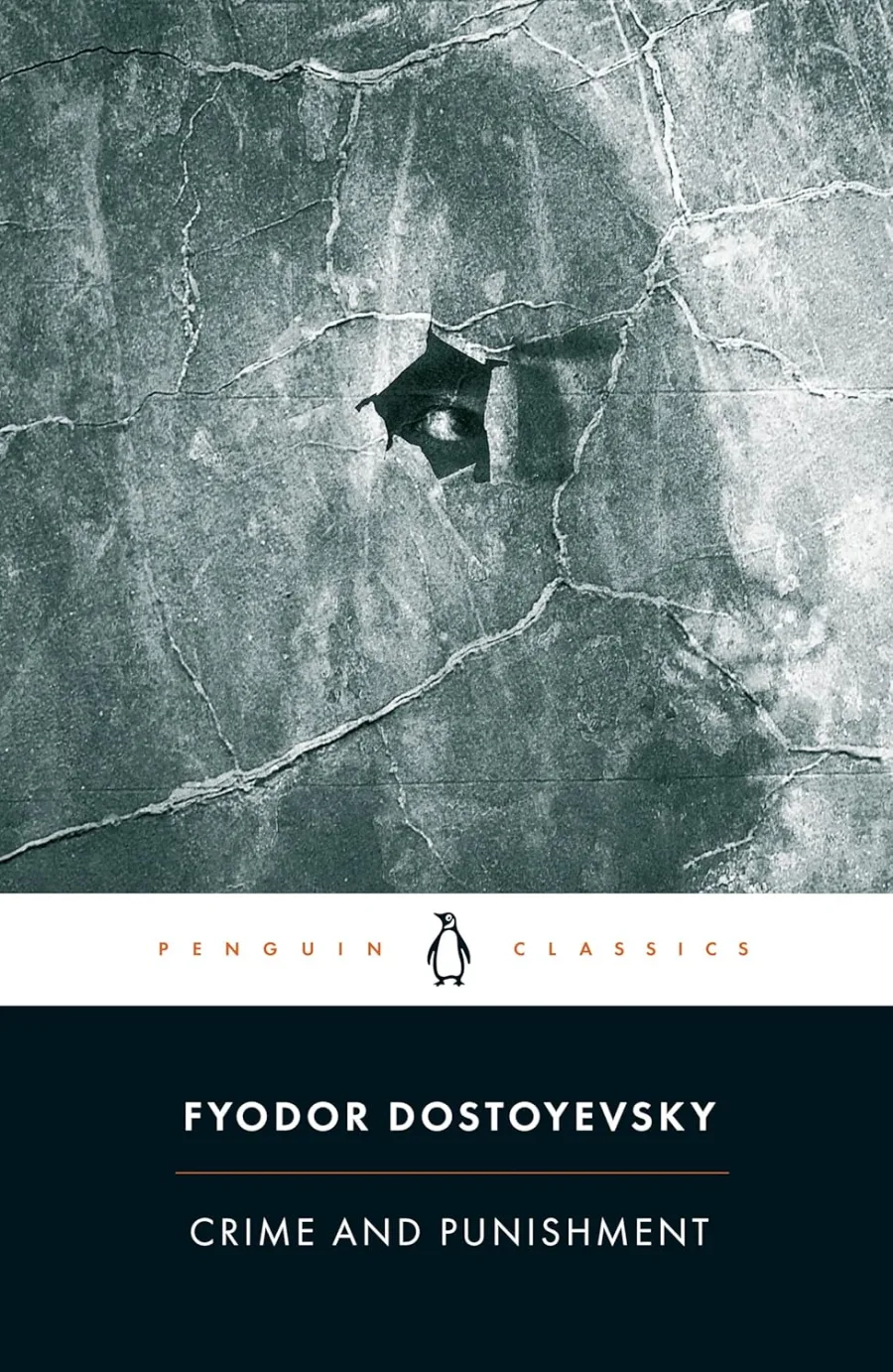
Download Cover Image
Do you want to download the full cover image for Crime & Punishment?