
Yesteryear: The electrifying must-read debut – ‘Everyone will be talking about it’ Jennie Godfrey
Paperback
• 400 Pages
• ₹ 5.99
• English
• 9780008839048
No ratings yet
| Publisher | Fourth Estate |
|---|---|
| ISBN13 | 9780008839048 |
| ASIN/SKU | 0008839042 |
| Book Format | Paperback |
| Language | English |
| Pages | 400 |
| List Price | ₹ 5.99 |
| Publishing Date | 27/05/2026 |
| Dimensions | 12.9 x 2.1 x 19.8 cm |
| Weight | 270 g |
| Book Code | BD00054756 |
Buy this Book
Amazon Stores
Ebook Stores
Other Stores
Discover Yesteryear: The electrifying must-read debut – ‘Everyone will be talking about it’ Jennie Godfrey by Caro Claire Burke. This book is published by Fourth Estate in Paperback format, ISBN 9780008839048, ASIN 0008839042, under Mystery, Thriller and Suspense, Literature.
Book Description
THE SUNDAY TIMES NUMBER ONE BESTSELLER
'EVERYONE WILL BE TALKING ABOUT THIS BOOK’ – BELLA MACKIE
'NIGHTMARISH, SHOCKING, BRILLIANT’ – STYLIST
'MADDENING, MESMERISING, INGENIOUS’ – NEW YORK TIMES
'INTELLIGENT, INCISIVE, INSANELY READABLE’ – JENNIE GODFREY
'DERANGED, DARING, CLEVERLY WRITTEN’ – VOGUE
'My name is Natalie Heller Mills, and I was perfect at being alive…'
Natalie lives a traditional lifestyle – and her followers are sick with envy. Her charming farmhouse on her working ranch is artfully cluttered, her husband is a handsome cowboy, her homemade sourdough boules are each more beautiful than the last. So what if there are nannies and producers and industrial-grade ovens behind the scenes? What her followers don’t know won’t hurt them.
Then, one morning, Natalie wakes up in a strange, horrible version of reality. Her home, her husband, her children―they’re all familiar, but something’s off. Is this a hoax? A reality show? A test from God? Natalie knows just two things for sure: this isn't her perfect life, and she must escape, by any means possible.
As darkly funny as it is shocking and gripping, Yesteryear is an electrifying examination of tradition, fame, faith and the grand performance of womanhood, from a thrilling new talent in fiction.
NOW BEING ADAPTED INTO A MAJOR FILM STARRING ANNE HATHAWAY
‘WICKEDLY FUNNY, FRIGHTENINGLY PERCEPTIVE' ABIGAIL DEAN
'INVENTIVE, ADDICTIVE, A WILD RIDE' ASHLEY AUDRAIN
'SHOT THROUGH WITH HUMOUR, LACED WITH DARKNESS' CLARE MACKINTOSH
'THE STEPFORD WIVES MEETS THE HANDMAID'S TALE' HANNAH DEITCH
'EVERYONE WILL BE TALKING ABOUT THIS BOOK’ – BELLA MACKIE
'NIGHTMARISH, SHOCKING, BRILLIANT’ – STYLIST
'MADDENING, MESMERISING, INGENIOUS’ – NEW YORK TIMES
'INTELLIGENT, INCISIVE, INSANELY READABLE’ – JENNIE GODFREY
'DERANGED, DARING, CLEVERLY WRITTEN’ – VOGUE
'My name is Natalie Heller Mills, and I was perfect at being alive…'
Natalie lives a traditional lifestyle – and her followers are sick with envy. Her charming farmhouse on her working ranch is artfully cluttered, her husband is a handsome cowboy, her homemade sourdough boules are each more beautiful than the last. So what if there are nannies and producers and industrial-grade ovens behind the scenes? What her followers don’t know won’t hurt them.
Then, one morning, Natalie wakes up in a strange, horrible version of reality. Her home, her husband, her children―they’re all familiar, but something’s off. Is this a hoax? A reality show? A test from God? Natalie knows just two things for sure: this isn't her perfect life, and she must escape, by any means possible.
As darkly funny as it is shocking and gripping, Yesteryear is an electrifying examination of tradition, fame, faith and the grand performance of womanhood, from a thrilling new talent in fiction.
NOW BEING ADAPTED INTO A MAJOR FILM STARRING ANNE HATHAWAY
‘WICKEDLY FUNNY, FRIGHTENINGLY PERCEPTIVE' ABIGAIL DEAN
'INVENTIVE, ADDICTIVE, A WILD RIDE' ASHLEY AUDRAIN
'SHOT THROUGH WITH HUMOUR, LACED WITH DARKNESS' CLARE MACKINTOSH
'THE STEPFORD WIVES MEETS THE HANDMAID'S TALE' HANNAH DEITCH
Author Biography
Caro Claire Burke received her Master’s in Fine Arts from the Bennington Writing Seminars. She is the co-host of Diabolical Lies, a politics and culture podcast. YESTERYEAR is her first novel.
Editorial Reviews
Editorial Reviews will be added soon…
Book Summary
Yesteryear by Caro Claire Burke is a contemporary literary mystery that explores memory, friendship, secrets, guilt, and the complicated ways in which the past can continue to shape the present. Presented as an atmospheric and emotionally charged debut, the novel follows a group of women whose lives are connected by an old tragedy and the secrets surrounding it. Rather than treating the past as something safely finished, Burke shows how buried events can return unexpectedly, forcing people to question what they remember, what they have chosen to forget, and whether the truth can ever remain hidden forever.
At the centre of the story is the relationship between women who share a complicated history. Their connections are shaped by friendship, loyalty, jealousy, love, and old wounds. The novel gradually reveals that relationships which appear secure on the surface can contain tensions that have been developing for years. People remember the same events differently, and what one person considers a harmless decision may be deeply significant to another. This uncertainty gives the story much of its tension.
One of the strongest ideas in Yesteryear is the unreliability of memory. Human beings do not always remember the past objectively. Memories can change with time, emotions can alter the way an event is recalled, and people may unconsciously protect themselves from painful truths. Burke uses this psychological uncertainty to create a story in which readers cannot always be certain that the version of events being presented is complete. As details emerge, earlier assumptions can be questioned, and seemingly ordinary moments can take on a darker meaning.
The novel's title, Yesteryear, reflects its concern with the past. The past is not simply a collection of events that have already happened; it becomes something that the characters carry with them. Old choices influence present relationships, and unresolved emotions continue to affect decisions made years later. The characters may attempt to move forward, but the secrets they have kept prevent them from achieving genuine peace.
The story also examines the complicated nature of friendship. Close friendships can provide belonging and emotional support, but they can also create powerful expectations. Friends may feel entitled to loyalty, forgiveness, or protection, even when those demands become unhealthy. The novel explores what happens when friendship is tested by betrayal and secrecy. It asks whether a relationship can survive when one person discovers that another has been hiding something important.
Trust is therefore another central theme. Trust is easy to build slowly but can disappear almost instantly. Once a character discovers that someone has lied or withheld information, even innocent actions can begin to look suspicious. Burke uses this breakdown of trust to create uncertainty within the relationships at the heart of the novel. The characters are forced to reconsider not only what they know about one another but also how well they truly know themselves.
The emotional atmosphere of the novel is equally important. Rather than relying only on dramatic twists, Burke builds tension through uneasiness, unanswered questions, and the gradual revelation of information. The reader is encouraged to notice small details and wonder why certain memories matter. The feeling that something important is being concealed creates a persistent sense of anticipation.
As the story develops, the boundaries between truth and interpretation become increasingly complicated. Characters have their own versions of events, and each version is influenced by personal motives and emotions. Someone may remember an incident as an accident while another person sees it as deliberate. One character may believe that keeping a secret protects someone they love, while another sees the same secrecy as an act of betrayal. These conflicting perspectives give the story a psychological depth that goes beyond a conventional mystery.
The novel is also concerned with guilt. Guilt can remain powerful long after an event has ended, particularly when a person believes that a different decision might have changed the outcome. Some characters attempt to justify their actions, while others carry responsibility silently. Burke explores how guilt can affect relationships and how people sometimes create complicated explanations to live with choices they regret.
Another important theme is the desire to rewrite the past. People often imagine that if they could return to a particular moment, they would make a different decision. But the novel suggests that the past cannot simply be corrected. The characters must instead confront what happened and decide how to live with its consequences. This makes the story not only about discovering facts but also about emotional acceptance.
The women at the heart of Yesteryear are not presented as simple heroes or villains. Their decisions are shaped by fear, love, insecurity, ambition, and the desire to protect themselves or others. This moral complexity makes their conflicts more believable. Readers may sympathize with a character in one chapter and question her choices in another. The novel repeatedly encourages the reader to consider why people behave as they do rather than judging them solely by the results of their actions.
Burke's storytelling also emphasizes the way personal histories can shape identity. The characters have become who they are partly because of what happened years earlier. Their present lives contain traces of old friendships, old rivalries, and old decisions. As the story uncovers the past, it becomes clear that understanding the characters requires understanding where they came from.
At the same time, Yesteryear asks whether revealing the truth always brings freedom. Secrets can certainly cause harm, but the truth can also have painful consequences. Once hidden information becomes known, relationships may be permanently changed. The characters therefore face a difficult question: is it better to know the truth, even when it hurts, or to preserve a comfortable life built on incomplete knowledge?
The novel's mystery develops through these emotional and psychological questions. Readers are encouraged to piece together what happened while also considering why certain people have chosen to remain silent. The suspense comes not only from discovering what happened but from discovering what the characters are willing to do to protect their versions of the past.
Overall, Yesteryear is a story about the lasting power of memory and the fragile nature of relationships. It explores how old secrets can influence present choices, how guilt can remain hidden beneath ordinary life, and how difficult it can be to separate truth from memory. Its emotional tension comes from characters who are forced to confront events they would rather leave behind.
The deeper message of the novel is that the past does not disappear simply because people stop talking about it. Unresolved experiences continue to shape relationships, identities, and choices. Eventually, however, buried truths have a way of demanding attention. Yesteryear uses this idea to create an atmospheric and psychologically engaging story in which friendship, memory, secrecy, and guilt become closely intertwined. It ultimately reminds readers that knowing the truth may be painful, but understanding the past can also be necessary for finding a way forward.
At the centre of the story is the relationship between women who share a complicated history. Their connections are shaped by friendship, loyalty, jealousy, love, and old wounds. The novel gradually reveals that relationships which appear secure on the surface can contain tensions that have been developing for years. People remember the same events differently, and what one person considers a harmless decision may be deeply significant to another. This uncertainty gives the story much of its tension.
One of the strongest ideas in Yesteryear is the unreliability of memory. Human beings do not always remember the past objectively. Memories can change with time, emotions can alter the way an event is recalled, and people may unconsciously protect themselves from painful truths. Burke uses this psychological uncertainty to create a story in which readers cannot always be certain that the version of events being presented is complete. As details emerge, earlier assumptions can be questioned, and seemingly ordinary moments can take on a darker meaning.
The novel's title, Yesteryear, reflects its concern with the past. The past is not simply a collection of events that have already happened; it becomes something that the characters carry with them. Old choices influence present relationships, and unresolved emotions continue to affect decisions made years later. The characters may attempt to move forward, but the secrets they have kept prevent them from achieving genuine peace.
The story also examines the complicated nature of friendship. Close friendships can provide belonging and emotional support, but they can also create powerful expectations. Friends may feel entitled to loyalty, forgiveness, or protection, even when those demands become unhealthy. The novel explores what happens when friendship is tested by betrayal and secrecy. It asks whether a relationship can survive when one person discovers that another has been hiding something important.
Trust is therefore another central theme. Trust is easy to build slowly but can disappear almost instantly. Once a character discovers that someone has lied or withheld information, even innocent actions can begin to look suspicious. Burke uses this breakdown of trust to create uncertainty within the relationships at the heart of the novel. The characters are forced to reconsider not only what they know about one another but also how well they truly know themselves.
The emotional atmosphere of the novel is equally important. Rather than relying only on dramatic twists, Burke builds tension through uneasiness, unanswered questions, and the gradual revelation of information. The reader is encouraged to notice small details and wonder why certain memories matter. The feeling that something important is being concealed creates a persistent sense of anticipation.
As the story develops, the boundaries between truth and interpretation become increasingly complicated. Characters have their own versions of events, and each version is influenced by personal motives and emotions. Someone may remember an incident as an accident while another person sees it as deliberate. One character may believe that keeping a secret protects someone they love, while another sees the same secrecy as an act of betrayal. These conflicting perspectives give the story a psychological depth that goes beyond a conventional mystery.
The novel is also concerned with guilt. Guilt can remain powerful long after an event has ended, particularly when a person believes that a different decision might have changed the outcome. Some characters attempt to justify their actions, while others carry responsibility silently. Burke explores how guilt can affect relationships and how people sometimes create complicated explanations to live with choices they regret.
Another important theme is the desire to rewrite the past. People often imagine that if they could return to a particular moment, they would make a different decision. But the novel suggests that the past cannot simply be corrected. The characters must instead confront what happened and decide how to live with its consequences. This makes the story not only about discovering facts but also about emotional acceptance.
The women at the heart of Yesteryear are not presented as simple heroes or villains. Their decisions are shaped by fear, love, insecurity, ambition, and the desire to protect themselves or others. This moral complexity makes their conflicts more believable. Readers may sympathize with a character in one chapter and question her choices in another. The novel repeatedly encourages the reader to consider why people behave as they do rather than judging them solely by the results of their actions.
Burke's storytelling also emphasizes the way personal histories can shape identity. The characters have become who they are partly because of what happened years earlier. Their present lives contain traces of old friendships, old rivalries, and old decisions. As the story uncovers the past, it becomes clear that understanding the characters requires understanding where they came from.
At the same time, Yesteryear asks whether revealing the truth always brings freedom. Secrets can certainly cause harm, but the truth can also have painful consequences. Once hidden information becomes known, relationships may be permanently changed. The characters therefore face a difficult question: is it better to know the truth, even when it hurts, or to preserve a comfortable life built on incomplete knowledge?
The novel's mystery develops through these emotional and psychological questions. Readers are encouraged to piece together what happened while also considering why certain people have chosen to remain silent. The suspense comes not only from discovering what happened but from discovering what the characters are willing to do to protect their versions of the past.
Overall, Yesteryear is a story about the lasting power of memory and the fragile nature of relationships. It explores how old secrets can influence present choices, how guilt can remain hidden beneath ordinary life, and how difficult it can be to separate truth from memory. Its emotional tension comes from characters who are forced to confront events they would rather leave behind.
The deeper message of the novel is that the past does not disappear simply because people stop talking about it. Unresolved experiences continue to shape relationships, identities, and choices. Eventually, however, buried truths have a way of demanding attention. Yesteryear uses this idea to create an atmospheric and psychologically engaging story in which friendship, memory, secrecy, and guilt become closely intertwined. It ultimately reminds readers that knowing the truth may be painful, but understanding the past can also be necessary for finding a way forward.
Sample Chapters
Sample Chapters will be added soon…
Reader Reviews
No reviews yet.
Yesteryear: The electrifying must-read debut – ‘Everyone will be talking about it’ Jennie Godfrey
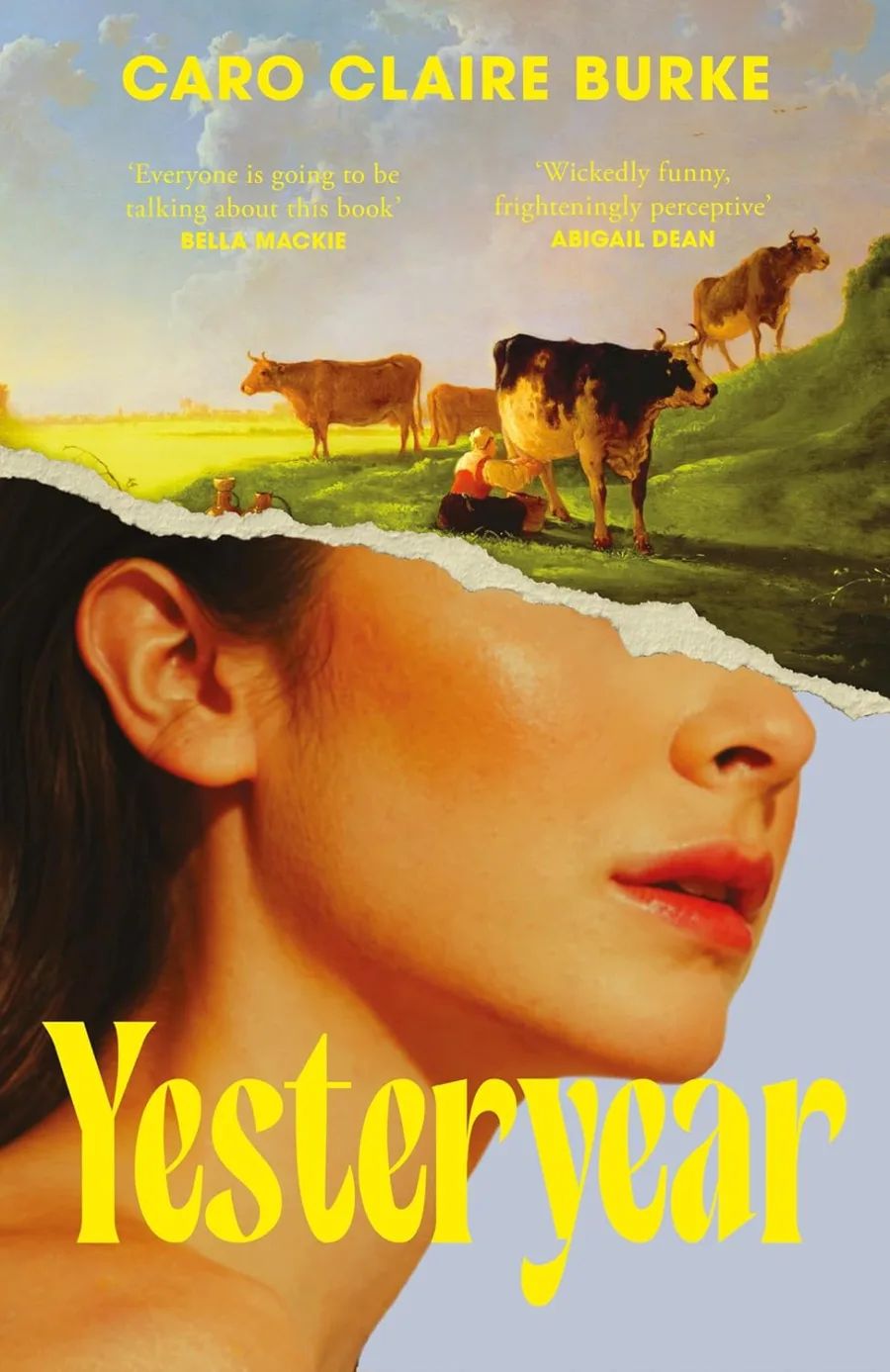
Download Cover Image
Do you want to download the full cover image for Yesteryear: The electrifying must-read debut – ‘Everyone will be talking about it’ Jennie Godfrey?