Fractured Communities
Paperback
• 400 Pages
• ₹ 499.00
• English
• 9789353456368
No ratings yet
| Publisher | Juggernaut |
|---|---|
| ISBN13 | 9789353456368 |
| ASIN/SKU | 9353456363 |
| Book Format | Paperback |
| Language | English |
| Pages | 400 |
| List Price | ₹ 499.00 |
| Publishing Date | 27/06/2026 |
| Dimensions | 19.8 x 12.9 x 1.8 cm |
| Weight | 400 g |
| Book Code | BD00054669 |
Buy this Book
Amazon Stores
Ebook Stores
Other Stores
Discover Fractured Communities by Umar Khalid. This book is published by Juggernaut in Paperback format, ISBN 9789353456368, ASIN 9353456363, under History, Social History, Historiography.
Book Description
Umar Khalid completed his PhD thesis on the history of the Adivasi tribes of the Singhbhum region of Jharkhand under extraordinary circumstances. He was facing sedition charges, had spent time in jail and had been rusticated from the university.
The thesis was submitted at Jawaharlal Nehru University’s Centre for Historical Studies in July 2018. Since then, it has garnered significant attention among scholars and historians. Ramachandra Guha has called it ‘one of the most accomplished doctoral dissertations by an Indian that I have read’, while Nandini Sundar described it as a ‘deeply insightful’ work by a ‘brilliant mind’.
In Fractured Communities, published in book form for the first time, Khalid combines archival rigour with analytical clarity to illuminate the history of Singhbhum’s tribal societies under British rule. The book is both a valuable work of history and a critique of histories written from positions of power, which tend to "flatten differences among and, more crucially, within communities.
At a time when public debates are increasingly shaped by simplistic versions of the past, the inquiry at the heart of Fractured Communities acquires a contemporary relevance that few historical works can match. And running through the narrative is a political philosophy grounded in democratic values and genuine concern for the marginalised.
The thesis was submitted at Jawaharlal Nehru University’s Centre for Historical Studies in July 2018. Since then, it has garnered significant attention among scholars and historians. Ramachandra Guha has called it ‘one of the most accomplished doctoral dissertations by an Indian that I have read’, while Nandini Sundar described it as a ‘deeply insightful’ work by a ‘brilliant mind’.
In Fractured Communities, published in book form for the first time, Khalid combines archival rigour with analytical clarity to illuminate the history of Singhbhum’s tribal societies under British rule. The book is both a valuable work of history and a critique of histories written from positions of power, which tend to "flatten differences among and, more crucially, within communities.
At a time when public debates are increasingly shaped by simplistic versions of the past, the inquiry at the heart of Fractured Communities acquires a contemporary relevance that few historical works can match. And running through the narrative is a political philosophy grounded in democratic values and genuine concern for the marginalised.
Author Biography
Umar Khalid is an activist and public intellectual who has engaged with questions of democracy, constitutional rights and minority rights in India. A student of Jawaharlal Nehru University, where he was pursuing PhD, he emerged as a prominent voice during the 2016 student movement, which sparked nationwide debate on dissent and free speech. Thereafter, he helped build campaigns against hate crimes targeting Muslims and became an important voice in the democratic protests against the communal amendments to the citizenship law. In 2020 he was arrested under UAPA in connection with the Delhi riots case and remains in jail without trial. His incarceration has raised questions about the limits of democratic dissent in India today.
Editorial Reviews
Editorial Reviews will be added soon…
Book Summary
Fractured Communities: Adivasi Histories and the Politics of Power by Umar Khalid is a detailed work of history that explores the changing political, social, and economic life of the Adivasi communities of Singhbhum in present-day Jharkhand. The book grew out of Khalid’s doctoral research at Jawaharlal Nehru University and was published in book form in 2026. It focuses particularly on the Ho people and examines their relationship with land, forests, rulers, administrators, and changing systems of political authority. Rather than presenting Adivasi society as something fixed and unchanging, Khalid shows that these communities have always been dynamic, internally diverse, and capable of making their own political choices.
At the heart of the book is a simple but important question: how should we understand the history of communities that have often been described by outsiders instead of being allowed to speak through their own history? Khalid argues that conventional histories frequently simplify Adivasi societies. They may describe a community as if everyone within it shared the same interests, traditions, and political outlook. Such descriptions can make a complicated society appear uniform. Fractured Communities challenges this approach by paying close attention to differences within the community as well as conflicts and relationships between the community and outside authorities. The result is a more detailed picture of Adivasi political life.
Singhbhum becomes the central setting through which these questions are explored. The region had a long and complicated history before British rule, with its own systems of authority, social relationships, land arrangements, and connections to the natural environment. The arrival and expansion of colonial power gradually changed these relationships. British administrators attempted to classify people, define territories, organize revenue, regulate forests, and establish clearer forms of political control. These changes did not simply replace one system with another. They created new tensions and altered older relationships between communities, rulers, land, and resources.
One of the book's important themes is land. For Adivasi communities, land was not merely a commodity that could be bought and sold. It was closely connected with livelihood, community, identity, and social relationships. As colonial administration developed new methods of taxation and property control, traditional arrangements came under pressure. The introduction of new authorities and intermediaries changed who could exercise power over land and resources. These transformations created conflicts that continued long after the original colonial policies had been introduced.
Forests are equally important to the story. Singhbhum's natural environment was closely connected to the lives of its inhabitants. Forests provided food, materials, fuel, and other resources and were part of the economic and social world of the communities. As the state developed stronger ideas about controlling and managing forests, however, local relationships with these resources were increasingly regulated. Khalid's history shows how apparently administrative decisions could have profound consequences for ordinary people. A change in rules about land or forests could affect livelihoods, social authority, and the ability of communities to maintain established ways of life.
The book also pays attention to political agency. Adivasis are not presented simply as passive victims of colonialism or later state power. They responded to changing circumstances in different ways. Some resisted, some negotiated, some adapted, and different groups could make different choices depending on their circumstances. This is one of the book's most significant contributions because it avoids reducing Adivasi history to a simple story of oppression. The people being studied had their own ambitions, disagreements, strategies, and political calculations.
This attention to internal differences explains the title Fractured Communities. The word "fractured" does not simply mean that communities were destroyed from outside. It also points toward divisions and disagreements within communities themselves. Social groups could have competing interests, and people could respond differently to rulers and administrative changes. Khalid therefore avoids the easy idea that there is always one unified "community" with one common political position. Understanding these internal differences makes the historical picture more realistic and helps explain why political changes unfolded in complicated ways.
Another major concern of the book is the relationship between knowledge and power. Colonial governments did not merely rule territories; they also produced records, classifications, maps, reports, and descriptions of the people they governed. Later historians can easily depend on these materials and unintentionally reproduce the assumptions of those who created them. Khalid's approach is more critical. He uses archival material carefully while asking what these sources reveal, what they hide, and whose perspective they represent. In this sense, the book is not only a history of Singhbhum but also a reflection on how history itself is written.
The relevance of the book extends beyond the colonial period. The historical questions it raises remain important because many present-day debates about Adivasi communities involve land, forests, development, state authority, political representation, and access to resources. Contemporary conflicts cannot always be understood by looking only at recent events. They often have much deeper roots. By tracing the gradual transformation of political and economic relationships, Khalid helps readers see how present problems can grow out of historical processes.
The book is also significant for the way it connects academic history with questions of justice and democracy. It does not treat marginalized communities merely as subjects of academic curiosity. Behind the historical analysis is a concern with whose voices are heard, who has the power to define the past, and what happens when political systems ignore differences within society. Its central lesson is that democracy requires more than recognizing communities as broad categories; it requires understanding the diversity, agency, and particular experiences of the people who make up those communities.
Overall, Fractured Communities offers a rich and carefully researched history of Singhbhum and the Ho people while questioning simplified accounts of Adivasi society. It shows how colonial rule, changing systems of administration, control over land and forests, and struggles over political authority transformed community life. At the same time, it emphasizes that Adivasis were not merely acted upon by history; they participated in shaping it. The book ultimately asks readers to look beyond easy labels and listen more carefully to the complicated histories within marginalized communities. Its greatest strength lies in combining detailed historical research with a clear human concern for people whose experiences have often been reduced to stereotypes or overlooked altogether.
At the heart of the book is a simple but important question: how should we understand the history of communities that have often been described by outsiders instead of being allowed to speak through their own history? Khalid argues that conventional histories frequently simplify Adivasi societies. They may describe a community as if everyone within it shared the same interests, traditions, and political outlook. Such descriptions can make a complicated society appear uniform. Fractured Communities challenges this approach by paying close attention to differences within the community as well as conflicts and relationships between the community and outside authorities. The result is a more detailed picture of Adivasi political life.
Singhbhum becomes the central setting through which these questions are explored. The region had a long and complicated history before British rule, with its own systems of authority, social relationships, land arrangements, and connections to the natural environment. The arrival and expansion of colonial power gradually changed these relationships. British administrators attempted to classify people, define territories, organize revenue, regulate forests, and establish clearer forms of political control. These changes did not simply replace one system with another. They created new tensions and altered older relationships between communities, rulers, land, and resources.
One of the book's important themes is land. For Adivasi communities, land was not merely a commodity that could be bought and sold. It was closely connected with livelihood, community, identity, and social relationships. As colonial administration developed new methods of taxation and property control, traditional arrangements came under pressure. The introduction of new authorities and intermediaries changed who could exercise power over land and resources. These transformations created conflicts that continued long after the original colonial policies had been introduced.
Forests are equally important to the story. Singhbhum's natural environment was closely connected to the lives of its inhabitants. Forests provided food, materials, fuel, and other resources and were part of the economic and social world of the communities. As the state developed stronger ideas about controlling and managing forests, however, local relationships with these resources were increasingly regulated. Khalid's history shows how apparently administrative decisions could have profound consequences for ordinary people. A change in rules about land or forests could affect livelihoods, social authority, and the ability of communities to maintain established ways of life.
The book also pays attention to political agency. Adivasis are not presented simply as passive victims of colonialism or later state power. They responded to changing circumstances in different ways. Some resisted, some negotiated, some adapted, and different groups could make different choices depending on their circumstances. This is one of the book's most significant contributions because it avoids reducing Adivasi history to a simple story of oppression. The people being studied had their own ambitions, disagreements, strategies, and political calculations.
This attention to internal differences explains the title Fractured Communities. The word "fractured" does not simply mean that communities were destroyed from outside. It also points toward divisions and disagreements within communities themselves. Social groups could have competing interests, and people could respond differently to rulers and administrative changes. Khalid therefore avoids the easy idea that there is always one unified "community" with one common political position. Understanding these internal differences makes the historical picture more realistic and helps explain why political changes unfolded in complicated ways.
Another major concern of the book is the relationship between knowledge and power. Colonial governments did not merely rule territories; they also produced records, classifications, maps, reports, and descriptions of the people they governed. Later historians can easily depend on these materials and unintentionally reproduce the assumptions of those who created them. Khalid's approach is more critical. He uses archival material carefully while asking what these sources reveal, what they hide, and whose perspective they represent. In this sense, the book is not only a history of Singhbhum but also a reflection on how history itself is written.
The relevance of the book extends beyond the colonial period. The historical questions it raises remain important because many present-day debates about Adivasi communities involve land, forests, development, state authority, political representation, and access to resources. Contemporary conflicts cannot always be understood by looking only at recent events. They often have much deeper roots. By tracing the gradual transformation of political and economic relationships, Khalid helps readers see how present problems can grow out of historical processes.
The book is also significant for the way it connects academic history with questions of justice and democracy. It does not treat marginalized communities merely as subjects of academic curiosity. Behind the historical analysis is a concern with whose voices are heard, who has the power to define the past, and what happens when political systems ignore differences within society. Its central lesson is that democracy requires more than recognizing communities as broad categories; it requires understanding the diversity, agency, and particular experiences of the people who make up those communities.
Overall, Fractured Communities offers a rich and carefully researched history of Singhbhum and the Ho people while questioning simplified accounts of Adivasi society. It shows how colonial rule, changing systems of administration, control over land and forests, and struggles over political authority transformed community life. At the same time, it emphasizes that Adivasis were not merely acted upon by history; they participated in shaping it. The book ultimately asks readers to look beyond easy labels and listen more carefully to the complicated histories within marginalized communities. Its greatest strength lies in combining detailed historical research with a clear human concern for people whose experiences have often been reduced to stereotypes or overlooked altogether.
Sample Chapters
Sample Chapters will be added soon…
Reader Reviews
No reviews yet.
Fractured Communities
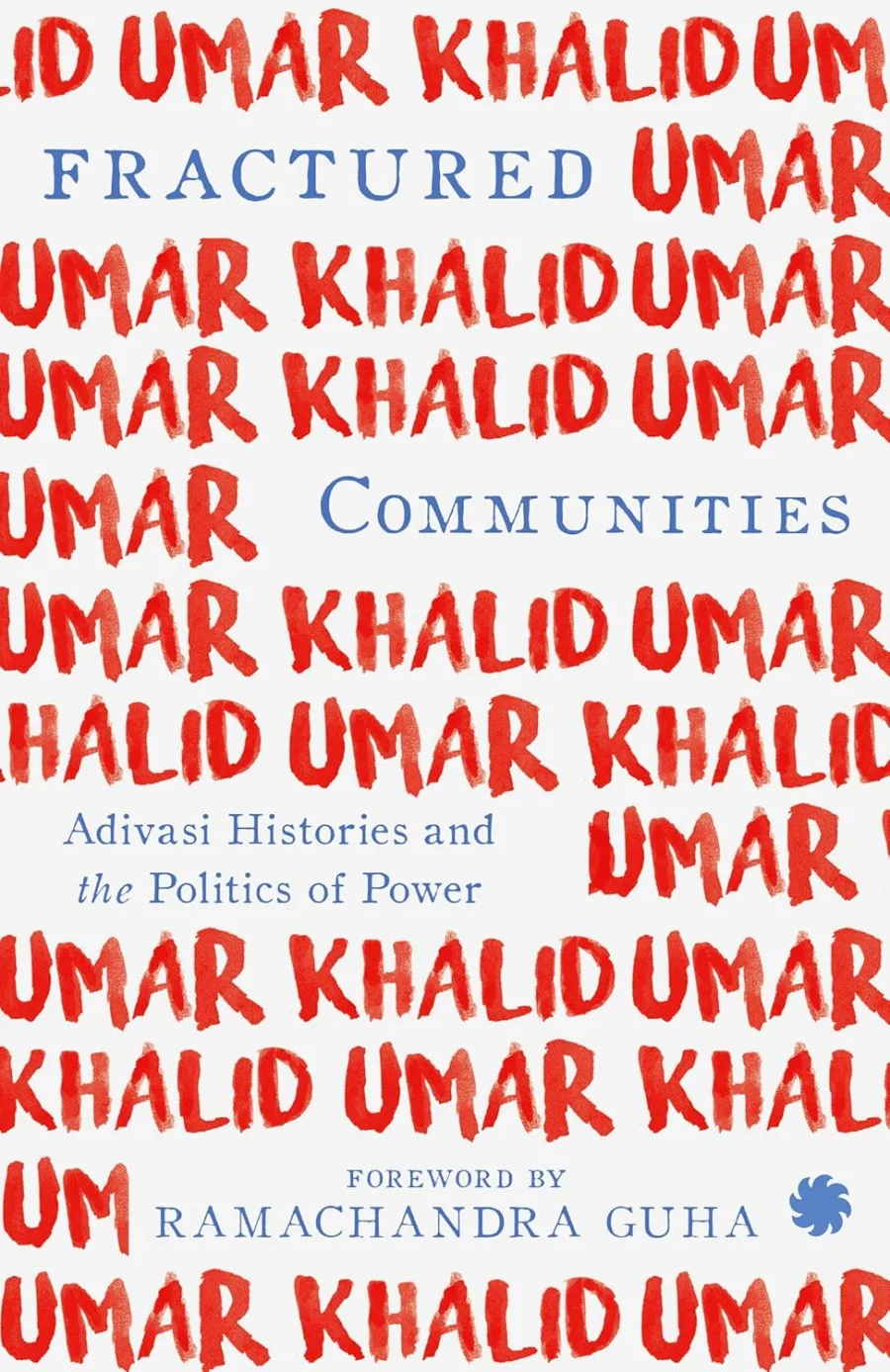
Download Cover Image
Do you want to download the full cover image for Fractured Communities?